Glamping and camping in Cornwall have grown significantly over the past five years. Bell tents, shepherd’s huts, yurts, eco-pods, and traditional camping pitches are all competing for the same pool of guests — and those guests start their search on Google, often months before they arrive. The glamping sites and campsites that fill their calendars earliest are almost always the ones that rank well in search, not just the ones with the best Pitch Up or Cool Camping listings. This guide explains how to get your site found before guests even reach the booking platforms.
Why Glamping SEO Starts Well Before the Season
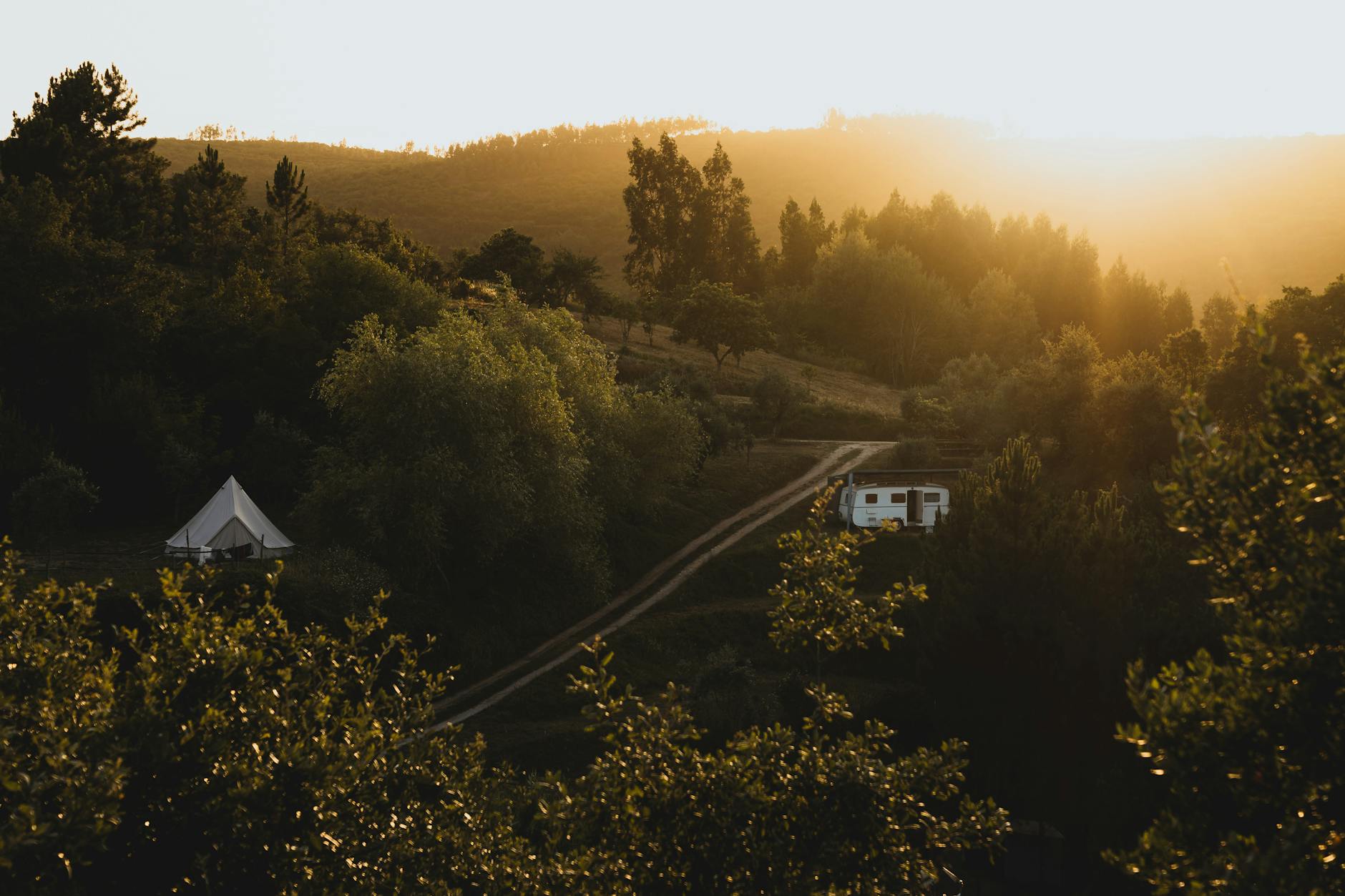
The search journey for a Cornwall glamping guest typically begins three to six months before their trip. They are searching for the experience they want — “luxury glamping Cornwall”, “bell tent near the sea Cornwall”, “dog-friendly glamping Cornwall” — not yet looking at specific booking platforms. If your site appears in those early searches, you have the opportunity to convert them directly before they find you buried in a platform listing alongside fifty competitors.
This is why the work matters most in winter. Content published in January and February has time to be indexed, ranked, and visible by the time search volumes peak in spring. Leaving your SEO until April means you are optimising for searches that have already happened. This is the same principle that applies to holiday let SEO in Cornwall and Cornwall surf school SEO — seasonal businesses benefit most from SEO done in the off-season.
Getting the Foundations Right
Your website needs to earn the booking
Many glamping and campsite websites are visually appealing but thin on the information guests actually need to make a booking decision. Good glamping SEO starts with a website that does three things: tells Google clearly what you offer and where, gives guests the detail they need to commit, and makes booking as frictionless as possible.
Every accommodation type you offer should have its own dedicated page or well-developed section: bell tents, shepherd’s huts, glamping pods, camping pitches. Each page should describe the accommodation in full — capacity, bedding, facilities, what is provided, what is not — along with photos, pricing, and availability. Thin pages with three sentences and a gallery are not enough to rank or convert.
Location signals Google needs to rank you locally
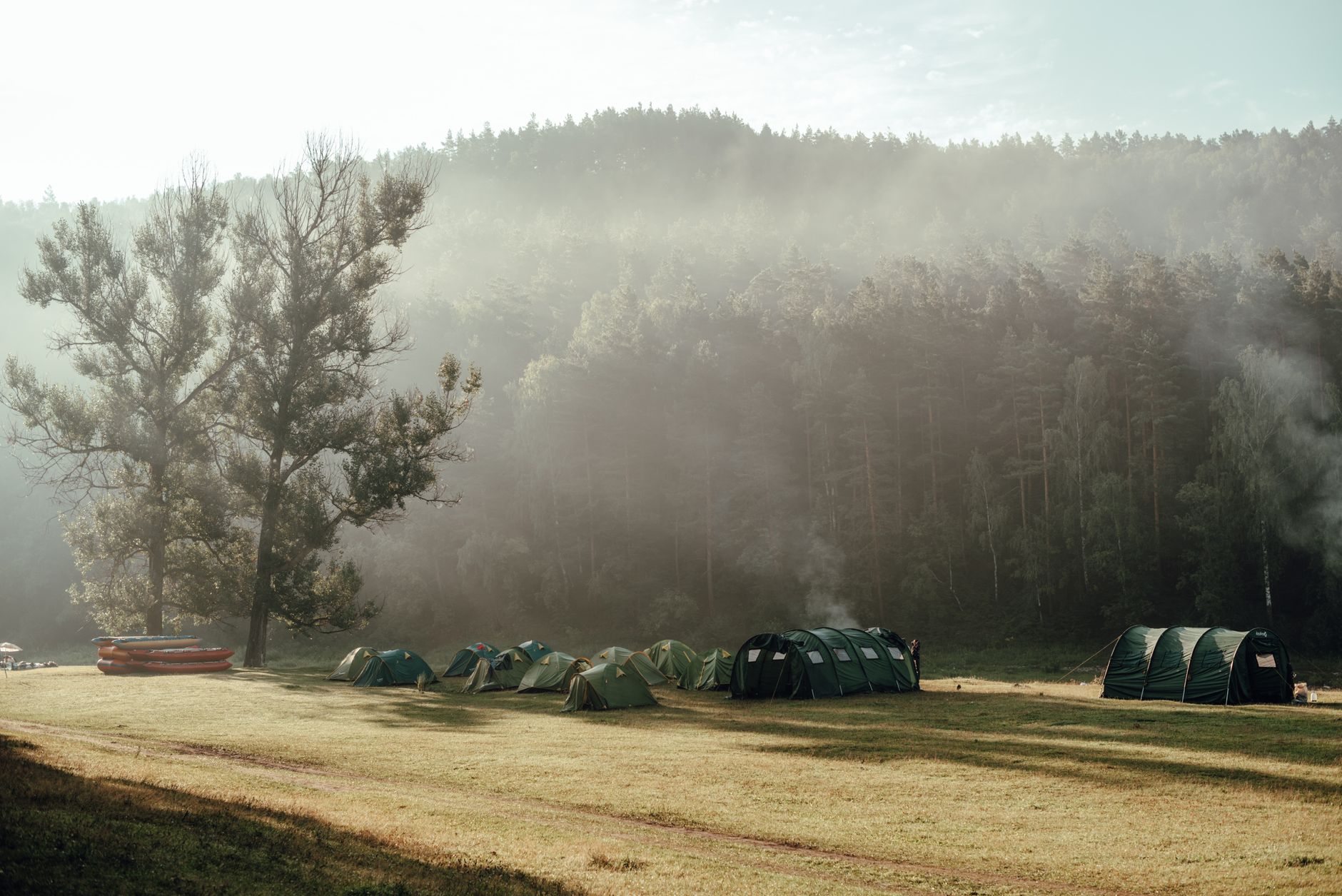
Your website needs to communicate your location with specificity. Name your nearest village, town, and coastal landmark explicitly in your page content. Mention the nearest beaches, walks, and attractions. Include your full postcode in your contact details and footer. These signals help Google understand which local searches your site is relevant for — and help guests understand where you actually are before they book.
Google Business Profile for campsites
Set up and optimise your Google Business Profile using the “Campground” or “Glamping” category. Add your seasonal opening dates accurately — showing as closed when you are open loses you bookings. Upload high-quality photos of every accommodation type, the facilities, and the setting. Ask every departing guest for a Google review. Campsites and glamping sites with strong GBP profiles and a healthy volume of reviews consistently rank above better-resourced competitors that have neglected theirs.
The Keywords That Bring Cornwall Glamping Guests
Understanding how your guests actually search is central to effective glamping SEO. The most valuable search terms tend to be specific and experiential:
- “glamping Cornwall” and variations (with or without sea view, with dog, near beach, luxury)
- “bell tent Cornwall”, “shepherd’s hut Cornwall”, “glamping pod Cornwall”
- “camping Cornwall [nearest town or beach]” — hyperlocal searches from people who know where they want to be
- “dog-friendly glamping Cornwall” — this filter search is high intent and worth a dedicated page if you accept dogs
- “family glamping Cornwall” and “glamping Cornwall for couples” — experience-specific searches
- “cheap glamping Cornwall” and “affordable glamping Cornwall” — budget-conscious searchers
Your website should naturally include the terms that match what you offer. Do not try to rank for everything — focus on the searches that describe your actual experience and your actual location.
Content That Attracts Guests at the Planning Stage
The most effective additional content for glamping and campsite websites tends to be local area content — the information guests are looking for alongside their accommodation search:
- “Best beaches near [your location]” — families and couples searching for beach-adjacent glamping will find this and discover your site at the same time
- “Things to do near [your location] with kids” — family planners often search for activities before accommodation
- “Dog walks near [your location]” — if you are dog-friendly, this is highly targeted traffic worth pursuing
- “What to pack for glamping in Cornwall” — a planning guide that positions you as the helpful host before they have even booked
- Seasonal guides — “Glamping in Cornwall in October”, “Is Cornwall good for camping in May?” — captures guests planning trips in shoulder seasons
Reviews: The Ranking Factor You Control Directly
Google reviews are one of the most direct local ranking factors — and a powerful conversion tool. A glamping site with 80 reviews will consistently outrank one with 12, everything else being equal. Guests who have had a memorable experience are often genuinely happy to leave a review if asked at the right moment and made it easy to do so. According to BrightLocal’s Local Consumer Review Survey, 98% of consumers read online reviews for local businesses before making contact — making review volume one of the most measurable local ranking and conversion signals available.
The best time to ask is at checkout or check-out, while the experience is fresh. A small card with a QR code linking directly to your Google review page works well in the welcome folder or by the exit gate. Across a season, this approach can generate dozens of new reviews. Read more about how to get more Google reviews for your Cornwall business for specific tactics that work.
Reducing Platform Dependency
Pitch Up, Cool Camping, Glamping Hub, and Airbnb charge commission on every booking they send you. The long-term goal of glamping SEO is to reduce that dependency by building a direct booking channel through your own website. This does not mean abandoning the platforms — they are useful for visibility, particularly when your site is new. It means investing consistently in SEO so that over time an increasing proportion of your bookings come in through Google, at no cost per booking.
The maths are straightforward: at 10–15% commission, a £500 glamping booking generates £50–75 in platform fees. If SEO investment of £150–200 per month generates three to five direct bookings monthly that would otherwise have come via platform, it is paying for itself multiple times over by mid-season. For more on this, see our guide to SEO for Cornwall B&Bs and guest houses, which covers the same direct-booking logic in detail.

How Long Does Glamping SEO Take to Show Results?
For a brand new glamping website with no SEO history, allow three to six months before meaningful rankings appear. For an existing site with some authority, improvements to on-page content and GBP can show results more quickly — sometimes within a few weeks for local searches. The key is to start the work in the off-season so that the results are visible by the time search volumes peak in spring. Industry analysis by Ahrefs found that the majority of pages ranking in the top 10 on Google are at least two to three years old, reinforcing why starting SEO early compounds results over time.
If you would like help auditing your glamping or campsite website — understanding where you currently rank, what your nearest competitors are doing, and what a realistic SEO plan looks like for your specific site — get in touch with Digital Evergreen for a free initial conversation. Take a look at our full services to see how we work with Cornwall accommodation businesses.