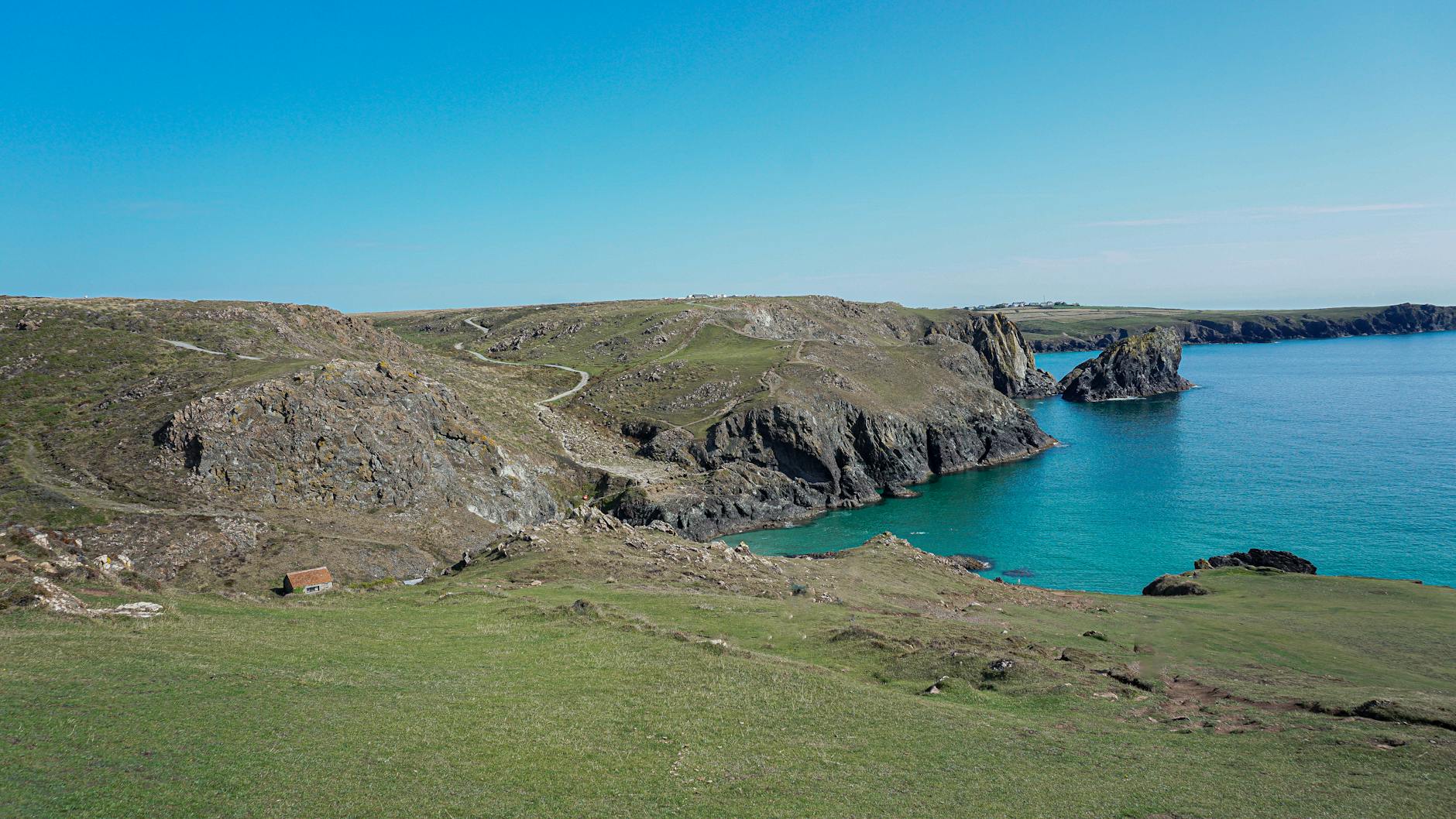
Running a B&B or guest house in Cornwall is a labour of love. You offer something that no chain hotel can replicate: local knowledge, a personal welcome, and a genuine connection to the place your guests have come to visit. The challenge is getting found in the first place — particularly when booking platforms like Booking.com and Expedia take between 15% and 25% commission on every room night they send you. SEO offers a way to reduce that dependency and build a pipeline of direct bookings through Google.
Why Booking Platforms Aren’t a Long-Term Strategy
Booking.com and TripAdvisor are useful for visibility, especially when you’re starting out. But there are real problems with relying on them entirely. Commission rates erode your margins. Rate parity clauses restrict what you can offer guests who book direct. And crucially, the relationship belongs to the platform — not to you. When a guest books through Booking.com, Booking.com has their email address, not you. You can’t market to them for next year’s stay without going back through the same platform and paying again.
SEO changes this equation. When a guest finds you on Google and books through your own website, you have the relationship, the margin, and the opportunity to build repeat business. The platform costs nothing.
The Local SEO Foundation Every B&B Needs
Claim and optimise your Google Business Profile
Your Google Business Profile (GBP) is the listing that appears when someone searches for “B&B in [your town]” or “guest house near [local landmark]”. It shows your name, photos, star rating, opening dates, and a link to your website. It’s free, it’s powerful, and most independent Cornwall B&Bs haven’t fully optimised theirs.
To make the most of it: choose “Bed and breakfast” as your primary category; add high-quality photos of your rooms, dining area, and exterior (GBP listings with 20+ photos get significantly more views); set your seasonal opening dates accurately; write a description that includes your location, key amenities, and what makes you different; and respond to every review, positive or negative. Google rewards actively managed profiles with better visibility.

Make your website do the work
Your website needs to clearly tell Google — and potential guests — exactly what you are and where you are. This sounds obvious, but many B&B websites bury their location, use generic descriptions, and miss the specific search terms guests actually use. Here’s what to get right:
- Page title: Include your property type, your town, and something distinctive. “The Old Rectory B&B | St Austell, Cornwall | En-Suite Rooms, Full Cornish Breakfast” is far more findable than just “The Old Rectory”.
- Location signals: Mention your town, the nearest village, the nearest beach, and the nearest major attraction — all naturally within your page content. Google uses these to understand what searches you’re relevant for.
- Room descriptions: Each room page should have its own description, including details like en-suite, sea view, ground floor access, or dog-friendly. These details match the specific filters guests search by.
- Direct booking button: Make it impossible to miss. “Check availability and book direct” above the fold on your homepage.
Reviews: The Ranking Factor You Can Actually Influence
For local accommodation searches, Google reviews are a significant ranking factor. A B&B with 40 genuine five-star reviews will almost always outrank one with 8, all else being equal. More importantly, reviews convert browsers into bookers — guests making a decision between two similar properties will choose the one with more reviews and higher ratings almost every time. According to BrightLocal’s Local Consumer Review Survey, 98% of consumers read online reviews for local businesses before making contact — making review volume one of the most measurable local ranking and conversion signals available.
The most effective way to get Google reviews is the simplest: ask at checkout. A card on the breakfast table with a QR code linking directly to your Google review page works well. Something like: “We’d love to hear how your stay was — even a few words makes a real difference to a small business.” Most guests who had a good time are happy to leave a review if the process is made easy for them. Aim for at least one new review a fortnight during your season.
Content That Attracts Guests at the Planning Stage
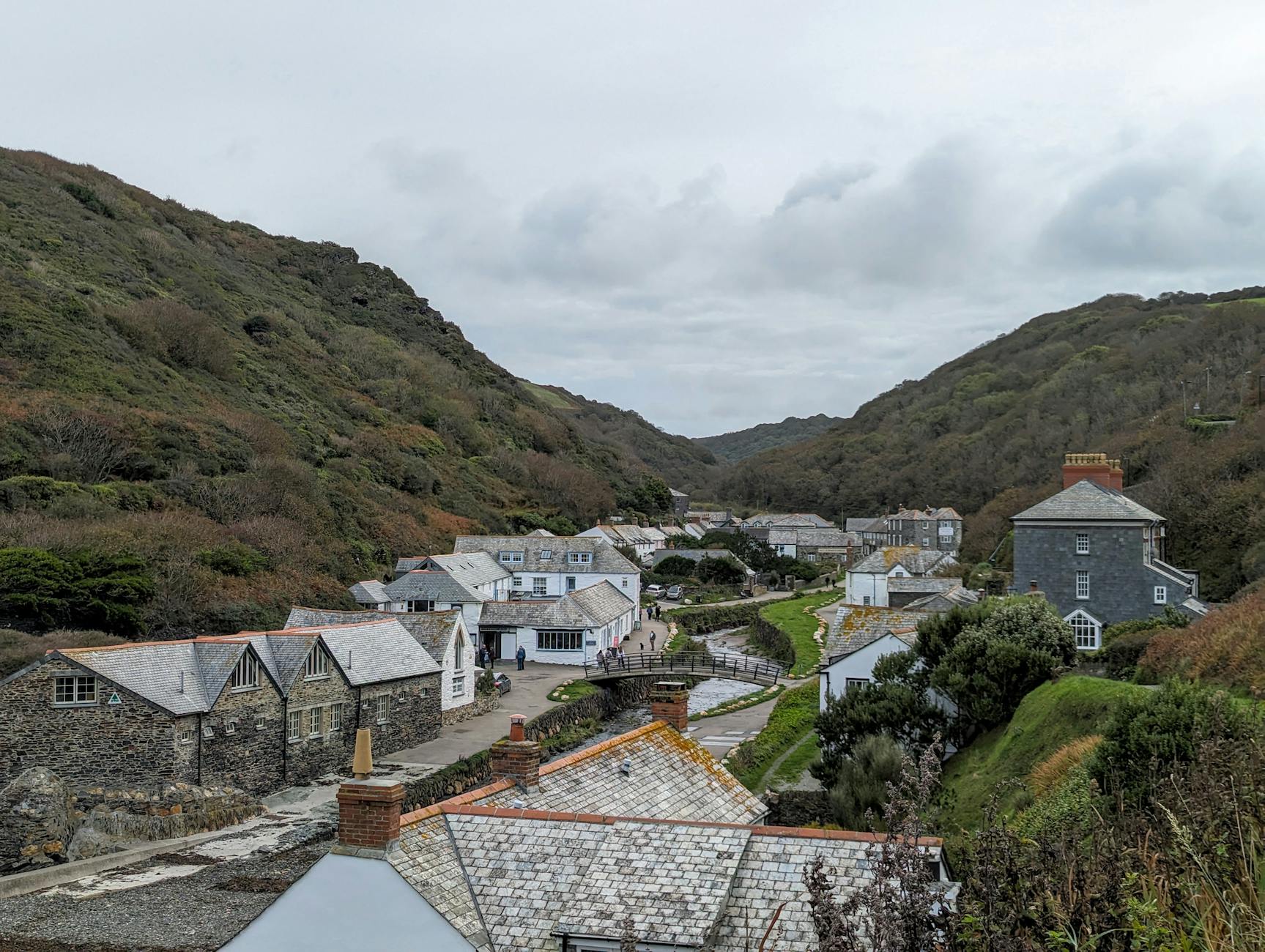
The guests most likely to book direct are the ones who haven’t yet committed to a booking platform. They’re still in research mode, searching for things like “best places to stay in West Cornwall” or “where to base yourself for the Penwith Peninsula”. Creating content that answers these questions — on your own website — puts you in front of them before they head to Booking.com.
Useful content ideas for a Cornwall B&B:
- A guide to your local area — the best walks, beaches, pubs, and hidden spots within easy reach of your property
- A “when to visit Cornwall” piece — seasonal advice that helps guests plan and positions you as a knowledgeable local host
- Posts about specific local events — the Boardmasters festival, Tate St Ives exhibitions, Falmouth Regatta — that attract visitors looking for accommodation around those dates
- A “what’s included in our Cornish breakfast” page — this sounds minor but it targets a real search and differentiates you from continental-only options
TripAdvisor and Google: Use Both, Depend on Neither
A TripAdvisor listing is still worth maintaining — the platform has high domain authority and often appears on the first page of Google for accommodation searches, so being listed there adds a second point of visibility. But TripAdvisor reviews also feed into your Google reputation, so consistent management of both pays dividends. The goal is to use these platforms as a top-of-funnel awareness tool while converting an increasing proportion of those guests to direct bookings over time.

How Much Does B&B SEO Cost and How Long Does It Take?
For a Cornwall B&B, SEO is one of the highest-ROI marketing activities available. A single direct booking saved from platform commission typically more than covers the cost of an hour of SEO work. In terms of timeline: Google Business Profile improvements can show results in weeks; website SEO changes take three to six months to show meaningful movement; content and review building compounds over the full season. Industry analysis by Ahrefs found that the majority of pages ranking in the top 10 on Google are at least two to three years old, reinforcing why starting SEO early compounds results over time.
You don’t need an agency retainer to make progress. Many of the highest-impact actions — fixing your page titles, writing a proper meta description, setting up your GBP correctly, and starting to ask guests for Google reviews — can be done in a weekend.
If you’d like help auditing what’s working and what isn’t, or support with the technical side of your website, Digital Evergreen offers flexible SEO support with no contract required. We work with small accommodation businesses across Cornwall on exactly this kind of work.