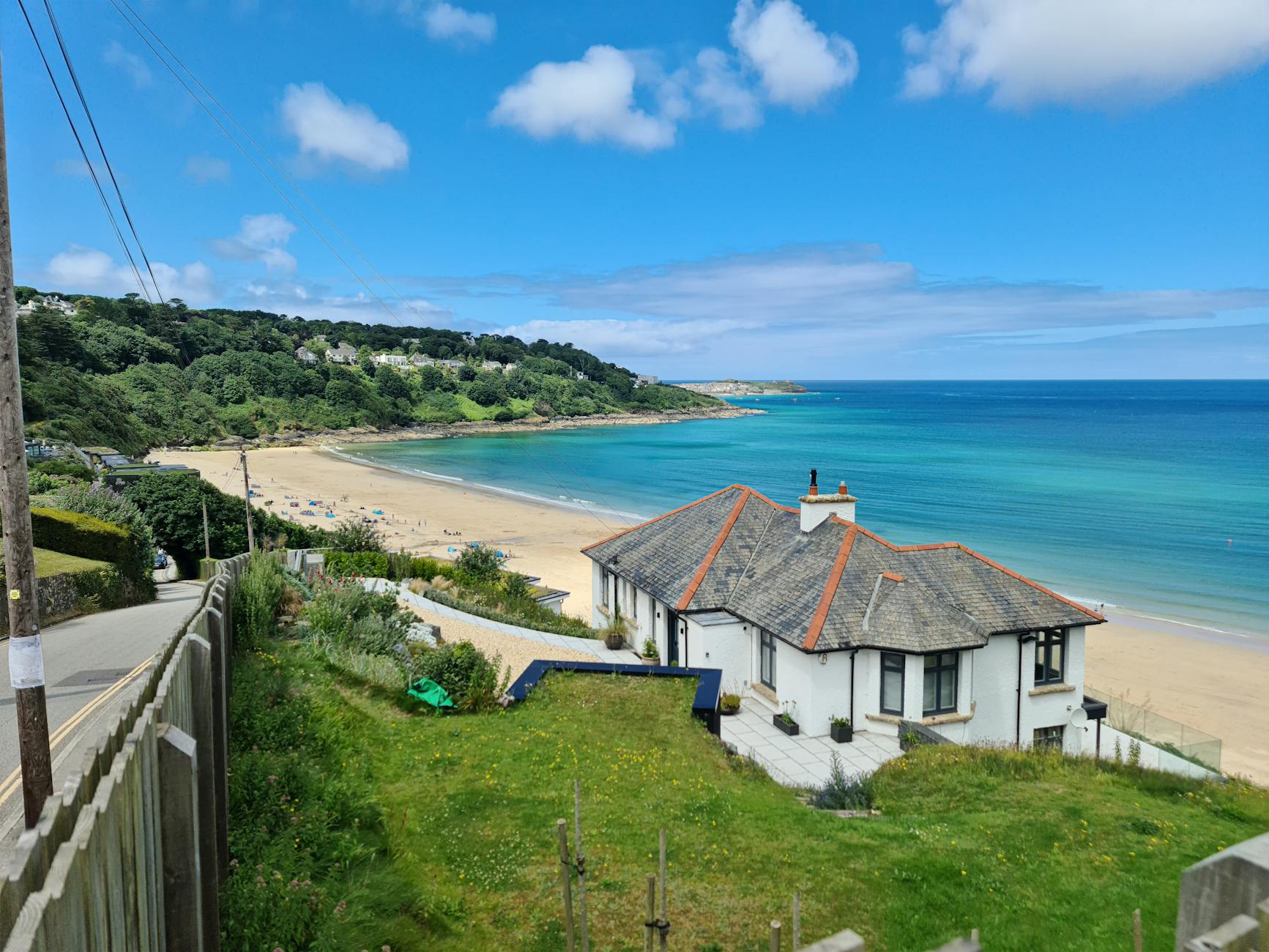
Cornwall is one of the UK’s most popular wedding destinations. The coastline, the light, the village churches, the converted barns, the cliff-top settings — couples travel from all over the country (and beyond) to get married here. That demand is real and growing. But the way couples find their venue and suppliers has fundamentally changed: they don’t start with a wedding fair or a magazine any more. They start with Google. If your venue, photography business, catering company, or floristry isn’t showing up in those early searches, you’re invisible at the exact moment couples are making their shortlists.
Why SEO Is Particularly Valuable for Cornwall Wedding Businesses
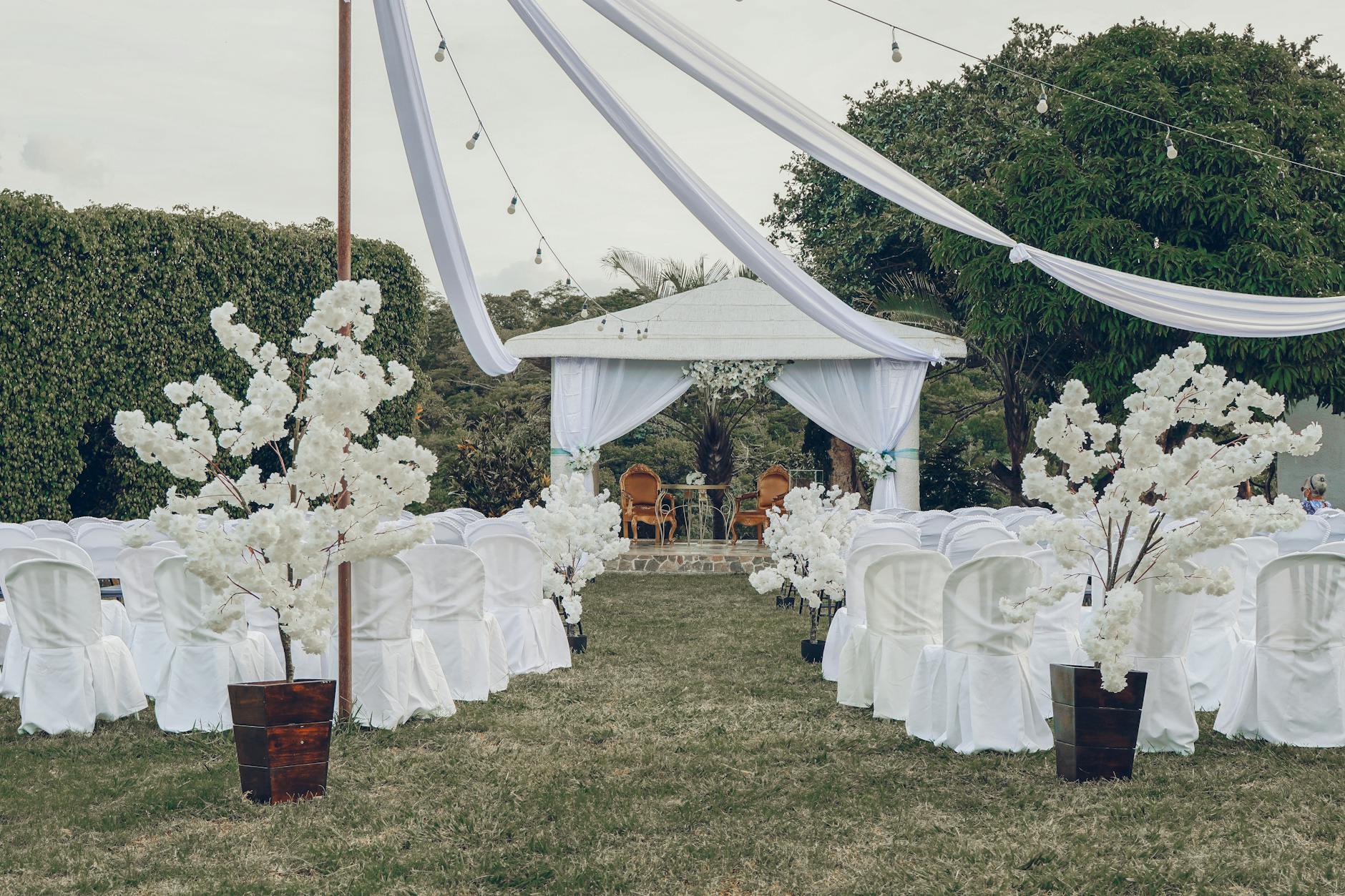
Wedding searches have a long lead time — couples typically start researching 12–18 months before their date, which means a search made in January 2025 could turn into a booking for summer 2026. That long runway is both an opportunity and a challenge. The opportunity: content you create now about “Cornwall wedding venues 2027” or “wedding photographers Cornwall summer” will be indexed and ranking by the time couples are actively searching for those dates. The challenge: you’re competing with large wedding directories (Hitched, Rock My Wedding, Bridebook) that have enormous domain authority.
The answer isn’t to try to outrank those directories for broad terms — it’s to rank for the specific, high-intent searches they can’t compete with. A search for “intimate wedding venue West Cornwall” or “documentary wedding photographer St Ives” is far more valuable than ranking for “Cornwall wedding venues” — the person searching is much closer to booking, and a small, well-optimised specialist website can absolutely outrank a generic directory for these long-tail queries.
Your Website: The Foundation of Wedding SEO
Dedicated pages for each offer
If you’re a venue, each wedding package or space should have its own page. “Intimate elopement ceremony” and “full weekend exclusive hire” are different search intents and deserve separate pages with specific content. If you’re a photographer, separate pages for documentary-style, traditional, and elopement photography will each capture their own audience. The same principle applies to caterers, florists, and other suppliers.
Real location detail throughout
Don’t just say “Cornwall” — say where in Cornwall. “A converted barn wedding venue near Padstow, North Cornwall” tells Google (and couples) exactly what you are and where you are. Include references to nearby landmarks, beaches, and villages throughout your content. Couples searching for weddings near specific locations will find you; those searching broadly will also find you because Cornwall is mentioned consistently.
Real weddings as SEO content
A real wedding feature — with permission from the couple — is one of the most powerful pieces of content a wedding supplier can publish. It’s naturally rich with specific details: the venue, the flowers, the location, the style. A blog post titled “Sarah and Tom’s Clifftop Wedding Near Porthcurno, Cornwall” will rank for specific long-tail searches, build trust, and demonstrate your work far more effectively than a portfolio page alone. Aim for two to four real wedding features per year as a minimum.
Google Business Profile for Wedding Suppliers
Not all wedding businesses think of themselves as “local” businesses in the traditional sense — but GBP is still valuable, particularly for venues and suppliers who serve a defined geographic area of Cornwall.
- Category matters — “Wedding venue”, “Wedding photographer”, “Wedding florist”, “Caterer” are all valid GBP primary categories. Choose the most specific one that fits.
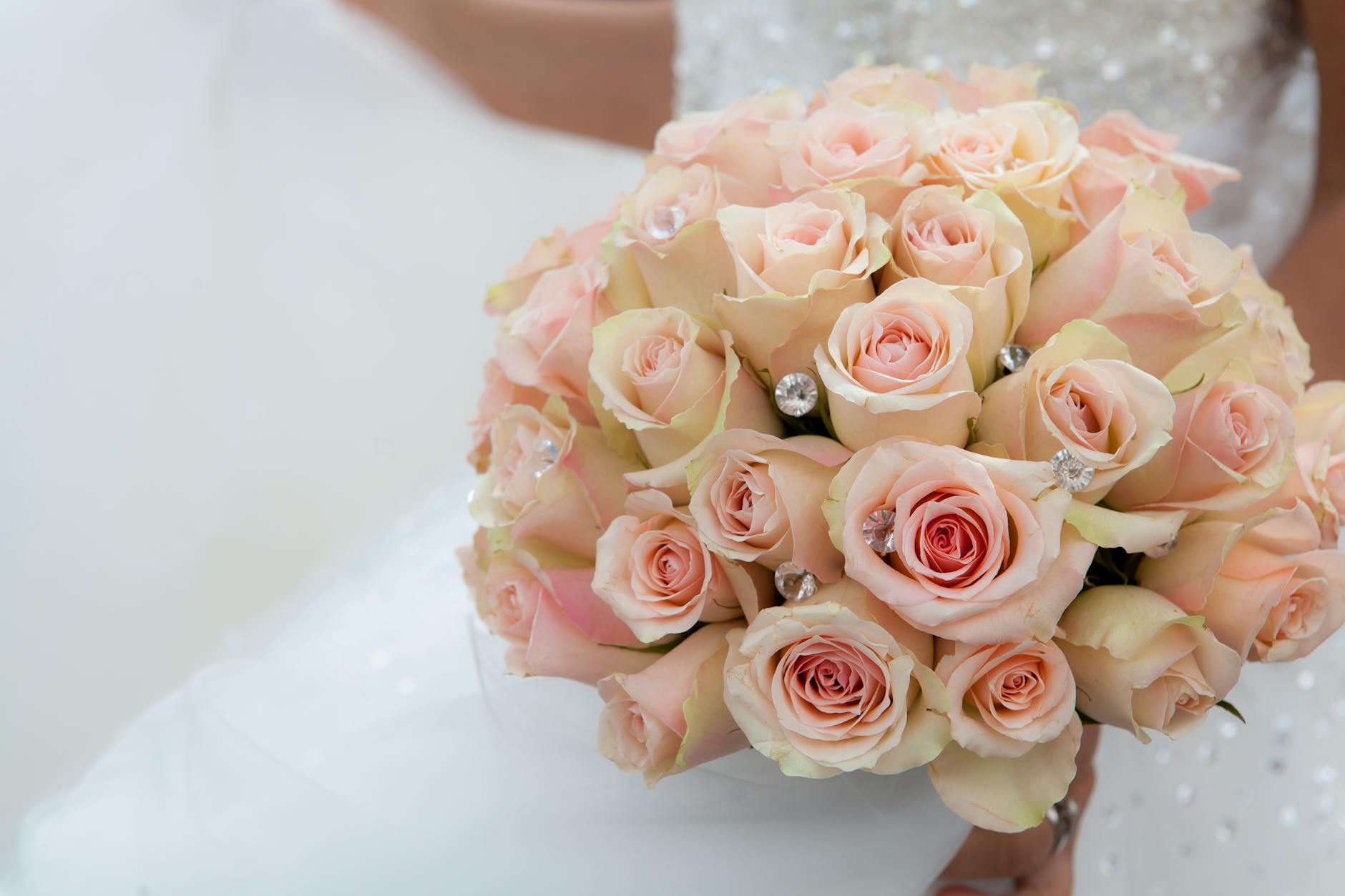
- Photos of real weddings — with permission, photos from real weddings you’ve been part of are the most compelling GBP images possible. They show the experience, not just the product.
- Reviews from couples — wedding reviews are highly trusted and often detailed. A review that mentions the venue name, the date, the style of wedding, and specific things the couple loved is SEO gold — it adds keyword-rich content to your listing without you writing a word.
- Posts for open days and availability — “We have 2026 summer dates available”, “Join us for our open day on [date]” — these Posts signal activity and can prompt enquiries from couples who are browsing.
The Cornwall Seasonal SEO Calendar for Wedding Businesses
Wedding bookings follow a distinct annual pattern, and your SEO content needs to be published well ahead of when couples are searching — not when you want to promote. Here’s how the calendar works for Cornwall wedding businesses:
| Period couples search | What they search for | Publish this content by |
|---|---|---|
| January–March (post-engagement season) | “Cornwall wedding venues 2026/2027”, “wedding photographers Cornwall”, “how much does a Cornwall wedding cost” | October–November the previous year |
| Spring (March–May) | Specific venue styles, elopements, micro-weddings Cornwall | December–January |
| Summer (peak enquiry for following year) | “Cornwall wedding venues summer 2027”, specific location searches | January–February |
| Autumn (final bookings for following year) | Late availability, winter weddings Cornwall | June–July |
The January post-engagement spike deserves particular attention. A significant number of proposals happen over Christmas and New Year, and newly engaged couples immediately begin their venue search in January. Content published and indexed by December will be perfectly positioned for this surge. If you don’t have any “Cornwall wedding venue” or “Cornwall wedding photographer” content live by Christmas, you’re missing the biggest single search spike of the year.
Building Authority in the Cornwall Wedding Market
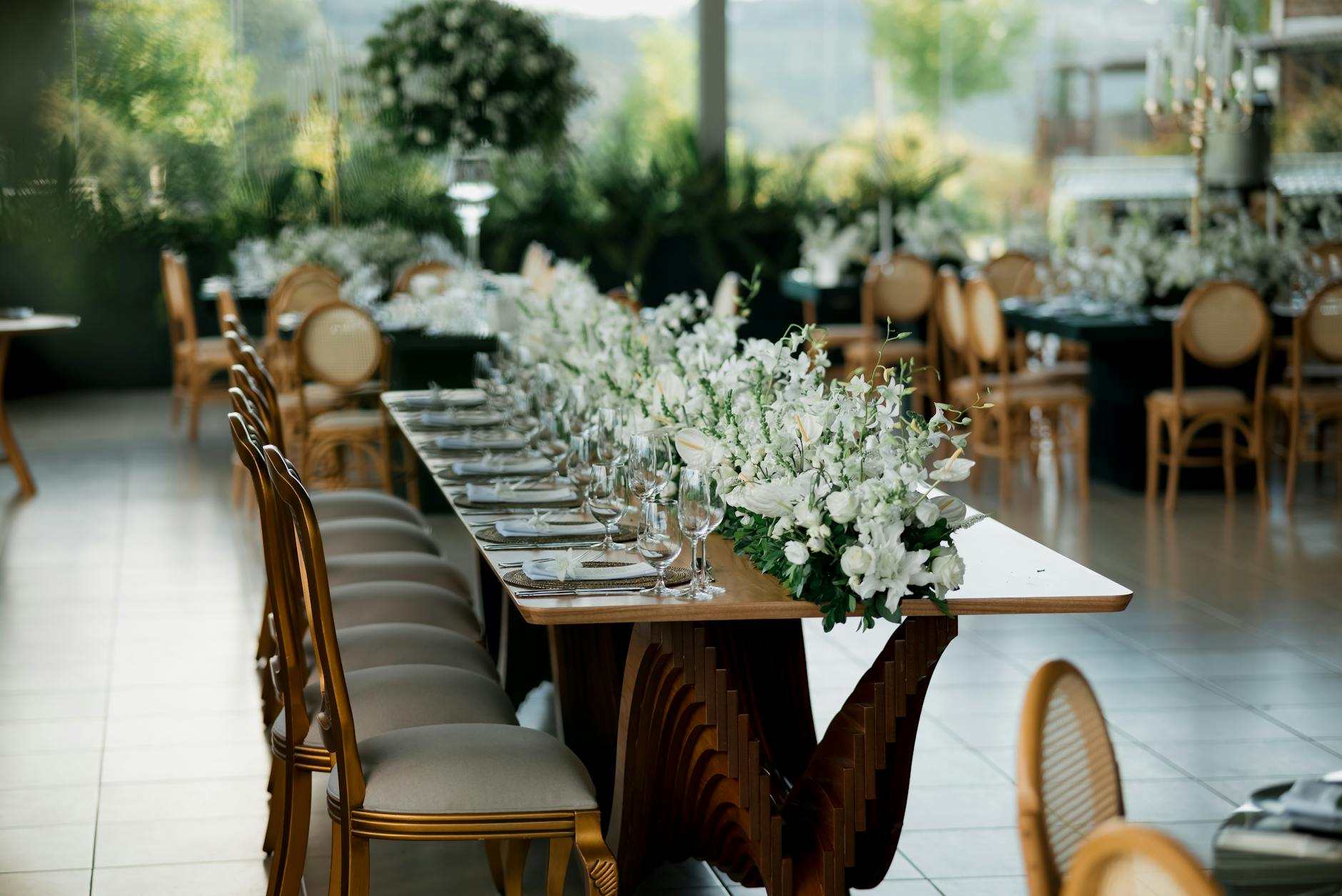
Beyond your own website, there are several ways to build the kind of authority that helps you rank for competitive wedding searches in Cornwall.
Get featured on wedding directories — with links
Hitched, Rock My Wedding, and Bridebook all have high domain authority and rank well for broad Cornwall wedding searches. Being listed on these directories is useful, but the real SEO value comes from getting a link back to your own website from their listings. Most free listings include a website link — make sure yours points to a relevant page, not just your homepage.
Collaborate with complementary suppliers
When you work a wedding with other Cornwall suppliers — a photographer, florist, and caterer — consider writing a joint blog post about the wedding (with couple permission) and linking to each other’s websites. These cross-supplier links are natural, relevant, and build the kind of local authority that Google rewards. A mention on a well-regarded Cornwall wedding photographer’s blog is worth far more than a generic directory listing.
Press and editorial
Getting a wedding featured on Rock My Wedding, You and Your Wedding, or a regional title like Cornwall Life is both a marketing win and an SEO one — these sites carry significant authority and a link from them to your website is valuable. Submit real wedding features to relevant publications; most accept submissions and are always looking for beautiful, story-rich content.
Frequently Asked Questions
How do I compete with big wedding directories on Google?
You don’t need to outrank them for broad terms like “Cornwall wedding venues” — that’s a very difficult battle. Instead, focus on specific long-tail searches where your depth of local knowledge and specific offering wins: “exclusive use wedding venue West Cornwall”, “elopement photographer Porthcurno”, “micro wedding caterer Padstow”. These searches have lower competition, higher intent, and convert far better because the person knows exactly what they want.
How far in advance should I be publishing wedding SEO content?
For season-specific content (summer weddings, Christmas weddings), publish 6–9 months before the season you’re targeting. For date-specific content (“2027 wedding dates available”), publish by autumn the year before. Blog posts about real weddings should go live as soon as you have the couple’s permission — the sooner they’re indexed, the sooner they rank.
Should I be on social media instead of focusing on SEO?
Both have value, but they do different jobs. Instagram and Pinterest are powerful for wedding businesses as visual inspiration platforms — couples discover you there and get excited. But SEO is how they find you when they’re actively searching with intent to book. A couple who finds you on Instagram might save your post; a couple who finds you on Google at 11pm comparing venues is much closer to sending an enquiry. The ideal is both working together.
Do Cornwall destination wedding businesses need local SEO?
Yes — even though most of your couples come from outside Cornwall, they’re searching specifically for Cornwall. “Wedding venue Cornwall with sea view” or “outdoor wedding photographer Cornwall” are location-specific searches made by non-local couples. Local SEO and Cornwall-specific content is exactly what helps you appear in those searches, regardless of where the couple is based.
Where to Start
Start with your website’s core pages: make sure every service page mentions Cornwall and your specific location, and includes the kind of specific phrases couples actually search for. Then add one real wedding feature to your blog — it’s the single most impactful piece of content a wedding supplier can publish, and most don’t do it nearly often enough.
If you’d like to understand more about how couples are currently finding (or not finding) your business on Google, we’re happy to take a look. Get in touch for a free conversation — no obligation, no pitch.