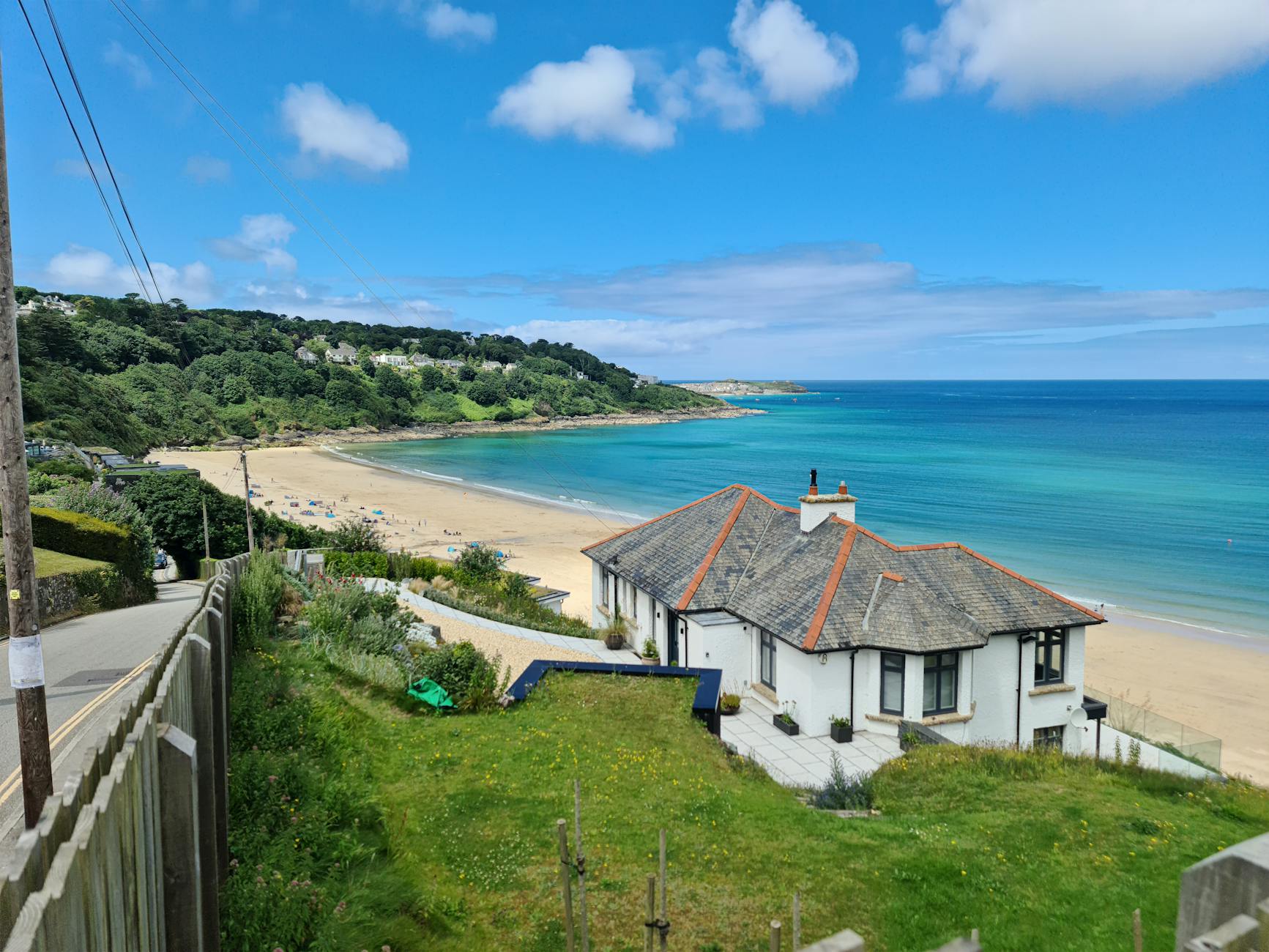
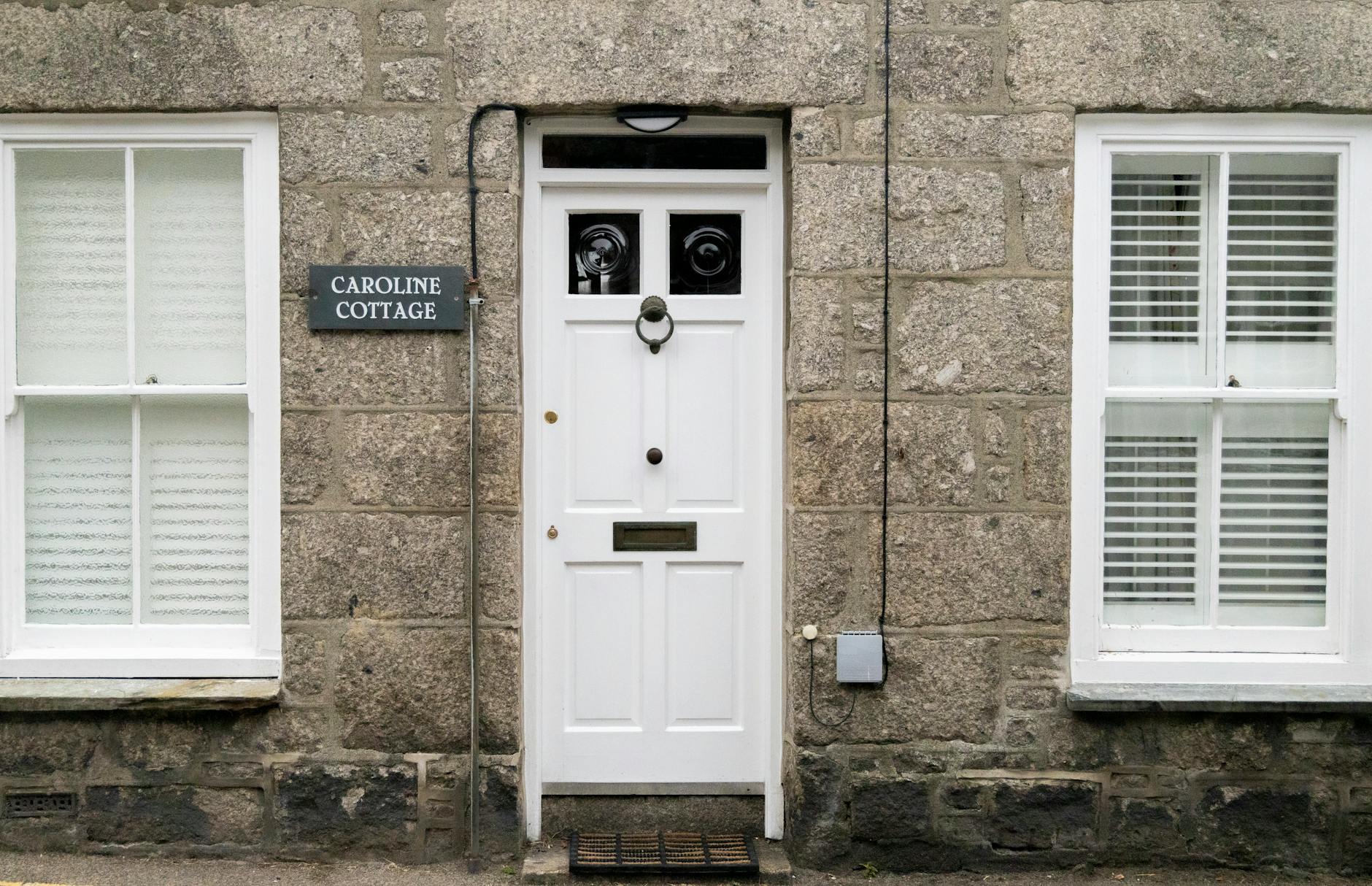
Roofers and builders in Cornwall deal with two almost opposite kinds of customer. One has slates missing after an overnight storm and wants someone out within a day or two. The other is three months into planning a side extension, comparing builders carefully, and will not make contact until they have looked at a dozen completed projects. A website built for one of these customers usually fails the other, which is why roofing and building SEO needs a different structure to most other trades.
Storm Damage: Cornwall’s Sharpest Search Spike
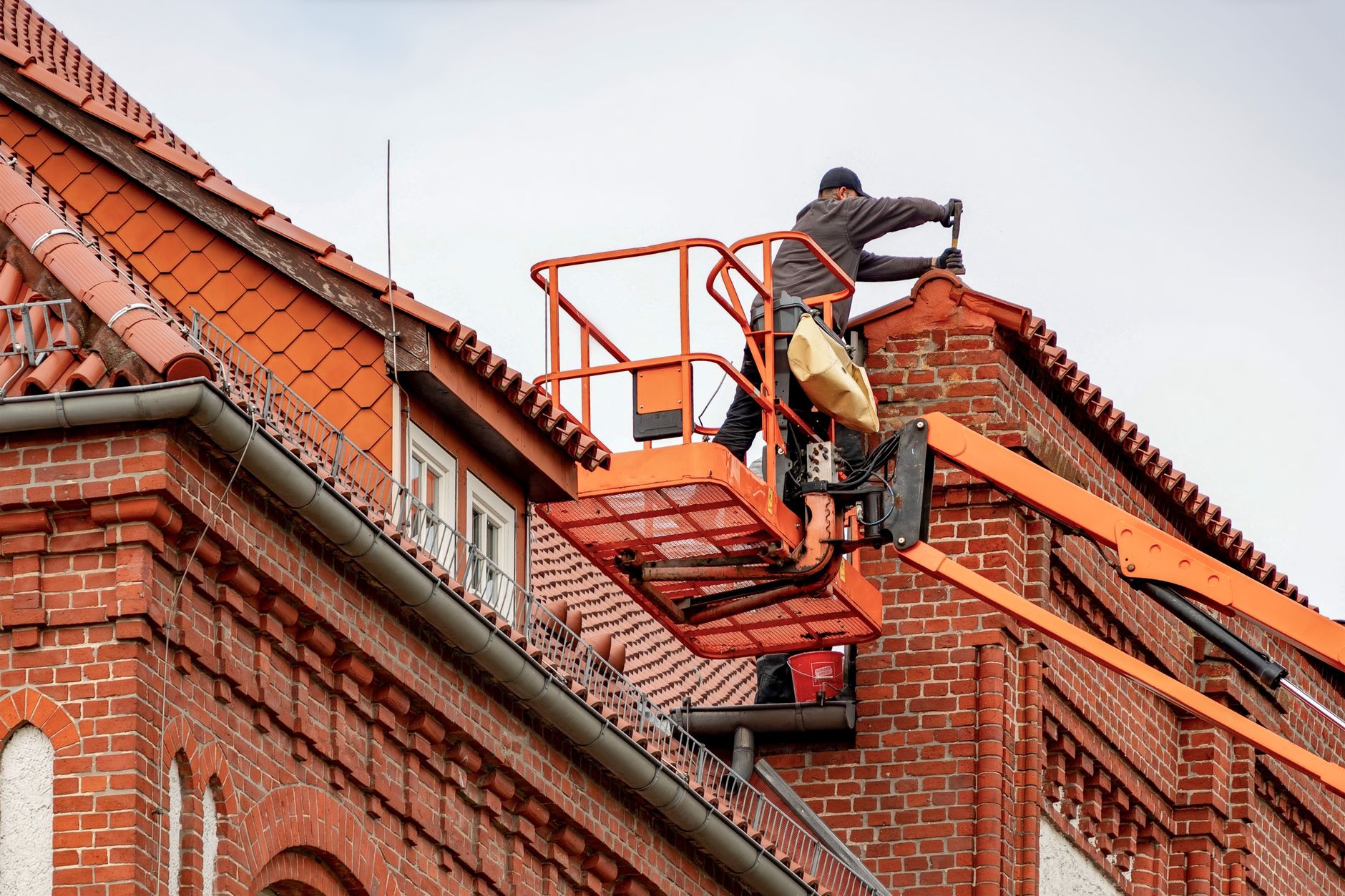
Cornwall’s exposed coastal position means storm damage searches behave differently here than almost anywhere else in the UK. When a named storm comes through — and the county sees several most winters — searches for “emergency roof repair”, “storm damage roofer”, and “roof tarpaulin” near coastal towns like Newquay, Bude, St Ives, and Penzance spike within hours of the worst of the weather passing, then fall away again within a week or two.
Roofers who treat this as predictable rather than random have a real advantage. That means having an emergency repair page ready and ranking before the storm arrives, not written in a panic afterwards, and making sure your Google Business Profile reflects genuine emergency availability. Our guide to Google Business Profile for Cornwall businesses covers the setup in detail, and it is worth revisiting every autumn ahead of the winter storm season specifically because of this seasonal pattern.
Roofers who are honest about what they can genuinely offer during a storm surge tend to earn more trust than those who overpromise. If you can realistically get someone a temporary tarpaulin within 24 hours but cannot start a full re-roof for a fortnight because every roofer in the area is booked solid, say so clearly. A homeowner with water coming through their ceiling would rather know the honest timeline immediately than be left waiting on a promise that never materialises, and that honesty tends to come through in the reviews left afterwards.

Two Very Different Buyer Journeys
An emergency roof repair search behaves much like the emergency plumbing and electrical searches covered in our broader guide to SEO for Cornwall tradespeople — quick decisions made from the local map pack, with speed and availability mattering more than portfolio quality.
An extension or renovation enquiry is a completely different animal. Someone planning a loft conversion in Falmouth or a two-storey extension in Wadebridge will typically:
- Search multiple times over several weeks, refining their search terms as they learn more about the process
- Look at several builders’ past work before shortlisting any of them
- Want a rough sense of cost and timescale before making contact, even if an accurate quote requires a site visit
- Check reviews specifically for reliability and finishing quality rather than speed of response
- Care about planning permission experience and whether you have worked on similar properties before
A single “Services” page cannot serve both of these journeys well. Separate pages — one built for urgency, one built for reassurance — convert far better than a single generic page trying to do both jobs at once.
It is also worth planning for the fact that an extension enquiry often starts long before anyone is ready to commit to a specific builder. Someone might search “extension cost per square metre Cornwall” or “do I need planning permission for a side extension” a full year or more before work starts. A page genuinely answering these early-stage questions, even without a hard sell attached, puts your business in front of a prospective client at the very start of their decision, long before competitors who only appear once someone searches for a named builder.
Before-and-After Photos as Proof
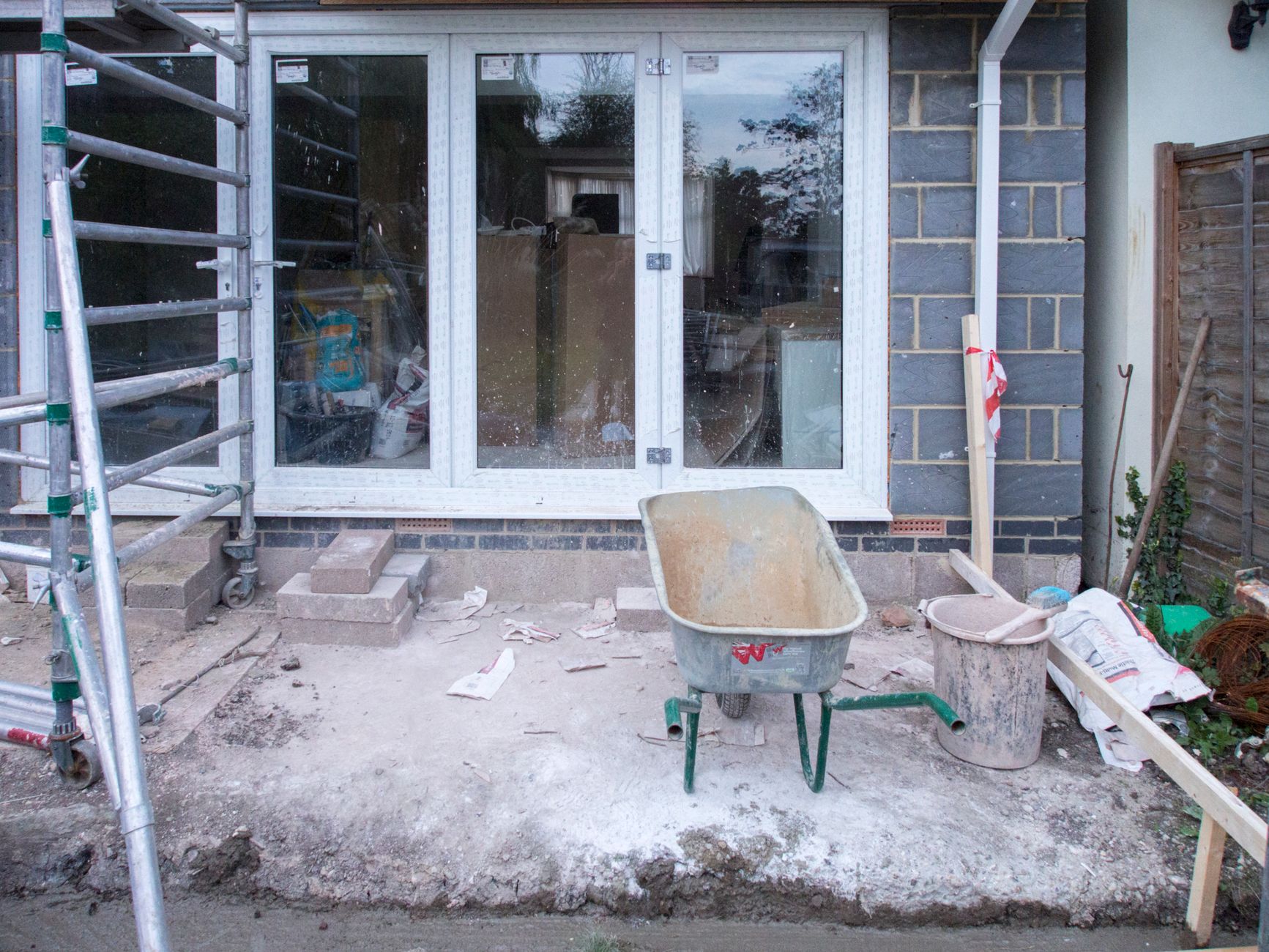
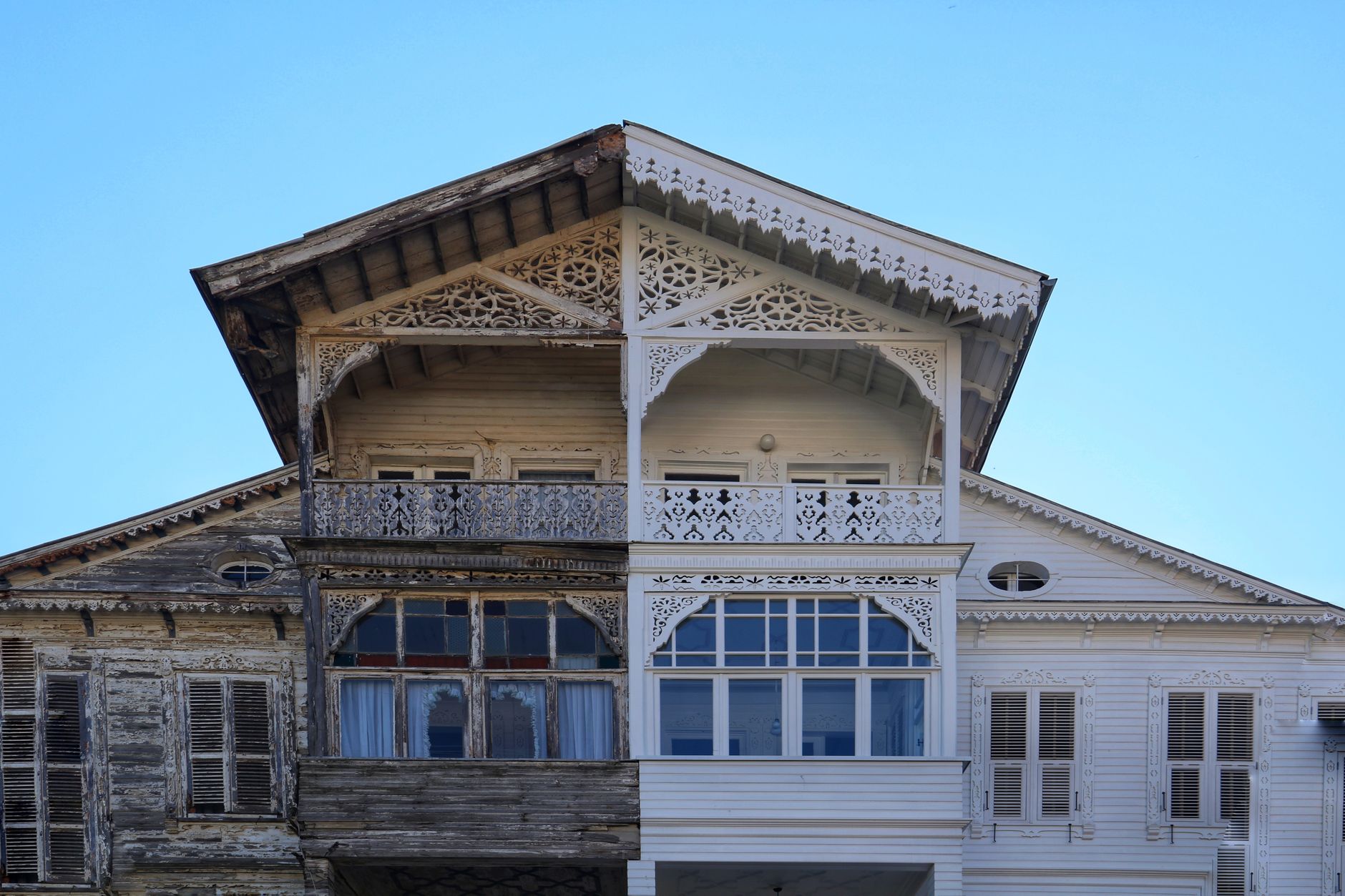
For building and roofing work, nothing builds trust faster than genuine before-and-after photography. A prospective extension client cannot easily judge the quality of a builder’s finishing work from written copy alone, but a clear photo of a tired, dated kitchen next to the same space after a completed renovation tells them everything they need to know in seconds.
Organise a project gallery by job type — roof replacements, extensions, loft conversions, renovations — rather than one long unsorted scroll of images. Include the town where each project was completed where the client is happy for you to do so. This serves two purposes: it reassures visitors browsing for reassurance, and it gives Google genuine, specific, location-relevant content rather than a generic stock-photo gallery that could belong to any building firm in the country.
A short write-up alongside each project — what the brief was, how long it took, any complications that came up and how they were resolved — adds genuine substance that a simple photo gallery lacks. It also gives you naturally occurring, specific content to rank for searches like “loft conversion Truro” or “extension Wadebridge” without resorting to keyword-stuffed filler text that reads awkwardly to an actual visitor.
Differentiating From Other Trade Searches
It is worth being deliberate about what your roofing or building business is not, in search terms. Garden landscaping and outdoor structural work, covered in our guide on SEO for gardeners and landscapers in Cornwall, involves a different search audience entirely, even though some building firms also take on garden walls or patios. If your business genuinely covers both, build separate, clearly labelled sections rather than blending them into one confusing offering that fails to rank clearly for either.
Similarly, if you take on general maintenance jobs alongside structural roofing and building work, keep that distinction clear on the site. Google and prospective customers both respond better to a business that is obviously specialist in roofing and building than one that reads as a jack-of-all-trades operation with no clear focus.
Material and roof type also matter for how specific your pages can be. Slate re-roofing, flat roof replacement, and conservatory roof upgrades are each searched separately, with different cost expectations and different concerns attached. A roofer who covers all three but writes about them as one blended “roofing services” offering misses an opportunity to rank for each one individually, and misses the chance to show the specific expertise that gives a cautious homeowner confidence before they ever pick up the phone.

Reviews and Local Trust for Bigger Jobs
Because an extension or full roof replacement is a significant financial decision, reviews carry particular weight — people actively search for mentions of reliability, tidiness on site, and whether a job finished on time and on budget. Our guide on getting more Google reviews for Cornwall businesses applies directly here, but for builders specifically, timing the ask around project completion and handover — when the result is visible and the relief of a finished job is fresh — produces the most detailed and persuasive reviews.
- Ask for reviews that mention the type of work completed, which helps future searchers with similar projects find you
- Encourage photos within reviews where customers are willing
- Respond to every review professionally, particularly on larger platforms where prospective clients spend longer reading through feedback
For emergency storm repairs, even a short review mentioning how quickly you responded carries real weight with the next person searching mid-storm. For extensions and renovations, reviews that mention communication, tidiness, and sticking to the agreed timescale tend to influence a decision far more than reviews focused purely on the finished result, since those are the areas a cautious client worries about most before work even begins.
Building for Both Audiences Without Confusing Either
The practical answer for most roofing and building businesses is a website structured around clear, separate paths: an emergency and storm-damage repair section built for speed and availability, and a projects section built for research and reassurance, complete with galleries, rough cost guidance, and detailed service pages for extensions, loft conversions, and renovations. SEO for this kind of dual-audience business typically takes a little longer to mature fully — four to six months is a realistic expectation, as covered in our guide on how long SEO takes in Cornwall — because you are effectively building authority across two distinct sets of search terms rather than one.
If you would like an honest look at how your roofing or building website currently serves both emergency and project enquiries, get in touch for a free initial call, or take a look at our full services to see how we work with Cornwall trades businesses.