Fishing charters and boat trip operators in Cornwall have one of the most compressed booking windows of any tourism business. Most customers search, decide, and book within days or weeks of the trip itself, often checking the weather forecast right before they commit. That makes SEO for this industry a slightly different game to most local search: you are not just trying to be found, you are trying to be found at exactly the right moment, by someone who is ready to pay a deposit. This guide covers what actually moves the needle for Cornwall charter operators, from booking-window behaviour to harbour-specific pages.
Understanding the Seasonal Booking Window
Search interest for “fishing charter Cornwall” or “boat trips Padstow” does not spread evenly across the year. It builds from around February as people plan summer holidays, spikes hard from May to August, and includes a smaller but real winter tail from anglers chasing cod and whiting off the Cornish coast. Within that broader pattern sits a much tighter behaviour: a large share of searches happen 3 to 14 days before the trip, as holidaymakers already in Cornwall decide what to do with a free afternoon.
This has two practical implications. First, your SEO groundwork needs to be in place well before peak season starts, because rankings take months to build and you cannot switch them on in June. Second, your site needs to work brilliantly for last-minute, on-the-day searches from a phone on a Cornwall clifftop with patchy signal — fast loading, obvious availability, and a phone number that is tap-to-call.
- Start SEO work in fixed the autumn or winter before your peak season, not in spring when competitors have already begun
- Keep an up-to-date availability or “next available trip” indicator visible near the top of your site
- Make sure your page loads quickly on mobile — a slow site loses last-minute bookers to the next search result
- Target both planning-stage searches (“fishing charter Cornwall July”) and immediate-intent searches (“book fishing trip near me”)
Book Direct vs Third-Party Marketplaces
Many charter operators get a meaningful share of bookings through marketplaces and activity platforms that take a commission of 15-25% per booking, sometimes more. That is a fair trade when you are starting out and need visibility, but it is an expensive way to run a mature business. The same logic applies here as it does for Cornwall holiday lets and Airbnb hosts trying to reduce their reliance on Airbnb and Booking.com commissions: the more your own website ranks for the searches your customers are actually making, the more bookings come to you directly at zero commission.
A charter operator taking 40 bookings a season at £300 each, with a quarter of those coming through a marketplace charging 20%, is handing over roughly £2,400 a season in commission. That is a realistic annual SEO budget right there, and unlike the commission, the SEO investment keeps working in future seasons rather than resetting to zero every time you win a new booking.
This does not mean abandoning marketplaces entirely. It means treating them as one channel among several rather than your only source of bookings, and steadily building direct search visibility so you have negotiating power and are not dependent on a platform’s algorithm or fee structure.
Photos and Video Are Your Trust Signals
Booking a fishing trip or boat excursion involves handing money to a stranger for an experience on open water, often with children or elderly relatives on board. Trust is the single biggest barrier to conversion, and photography does more work here than almost any other content element. Stock photos of generic boats undermine trust instead of building it — visitors can tell the difference immediately.
What actually works:
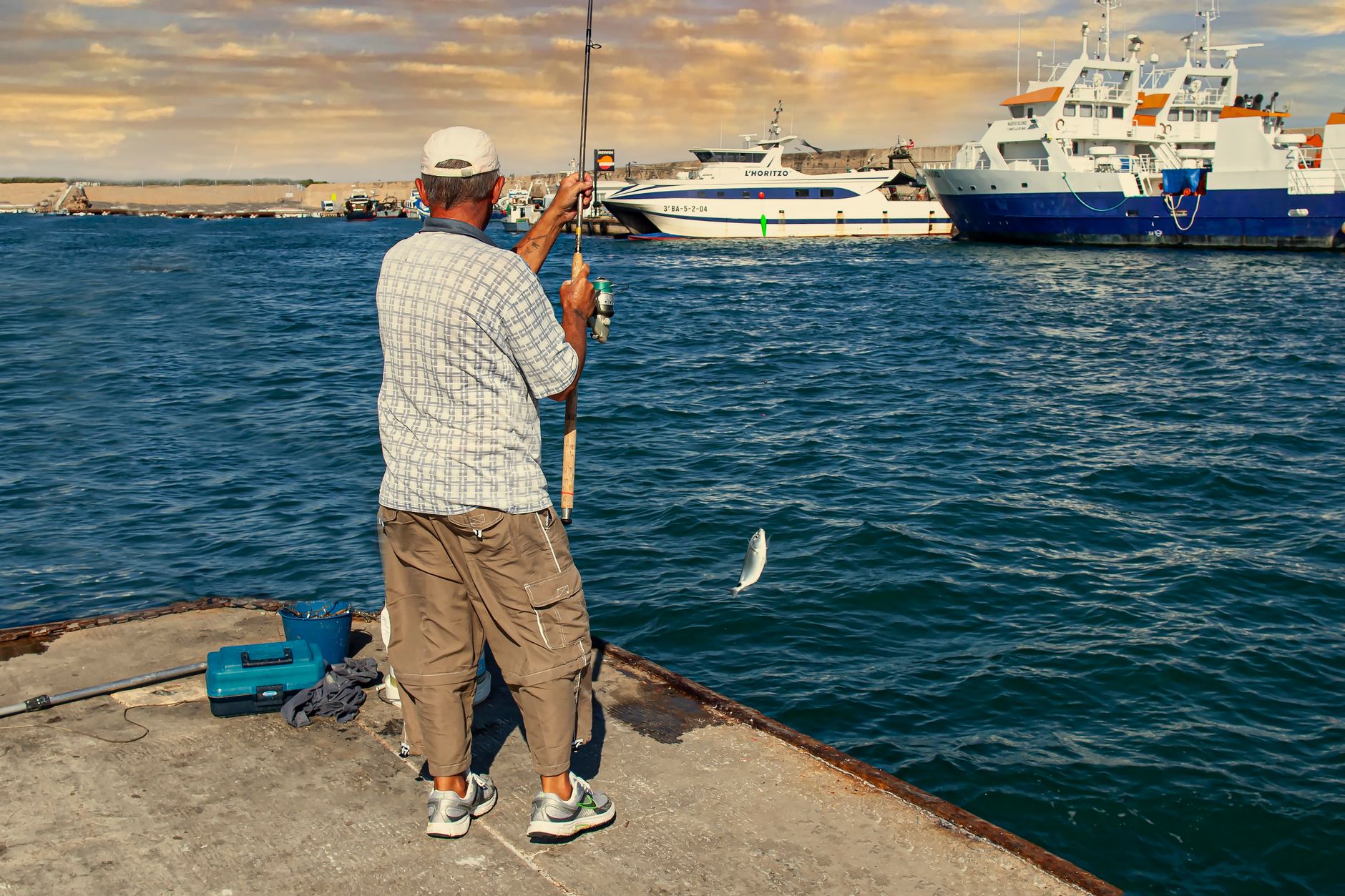
- Real photos of your actual boat, skipper, and crew, including their faces, not just the vessel
- Genuine catch photos from recent trips, dated where possible to show recency
- Short video clips of a typical trip, even filmed on a phone, showing what the experience actually feels like
- Photos that show families, groups, and mixed-experience anglers, not just serious sport fishermen, if that reflects your actual customer base
- Safety equipment and briefings visible in at least one image, which reassures nervous first-timers
Beyond trust, good original photography also helps SEO directly. Image alt text describing your specific boat and location, combined with unique images Google has not seen elsewhere, supports your page’s relevance far better than licensed stock imagery ever will.
Turning Weather Dependency Into a Content Advantage
Every Cornwall charter operator deals with cancellations and rescheduling due to weather, and every customer researching a trip knows this and worries about it. Rather than treating this as an awkward subject to bury in the small print, a clear, honestly written page addressing it head-on builds more confidence than avoiding the topic.
A dedicated page or clear section explaining your weather policy, how you decide whether to sail, how far in advance you notify customers, and what happens to deposits if a trip is cancelled, answers exactly the question a hesitant booker is searching for. It can also legitimately target searches like “what happens if my fishing trip is cancelled Cornwall” or “boat trip weather policy Cornwall”, which are exactly the kind of specific, honest, practical content that both ranks well and reduces pre-booking phone calls and email queries.
Seasonal blog content also works well here: short updates on recent catches, sea conditions, or what species are running well through the summer give you fresh content to publish regularly, which search engines respond well to, and give returning visitors a reason to check back before they book.
Harbour-Town Pages That Actually Rank
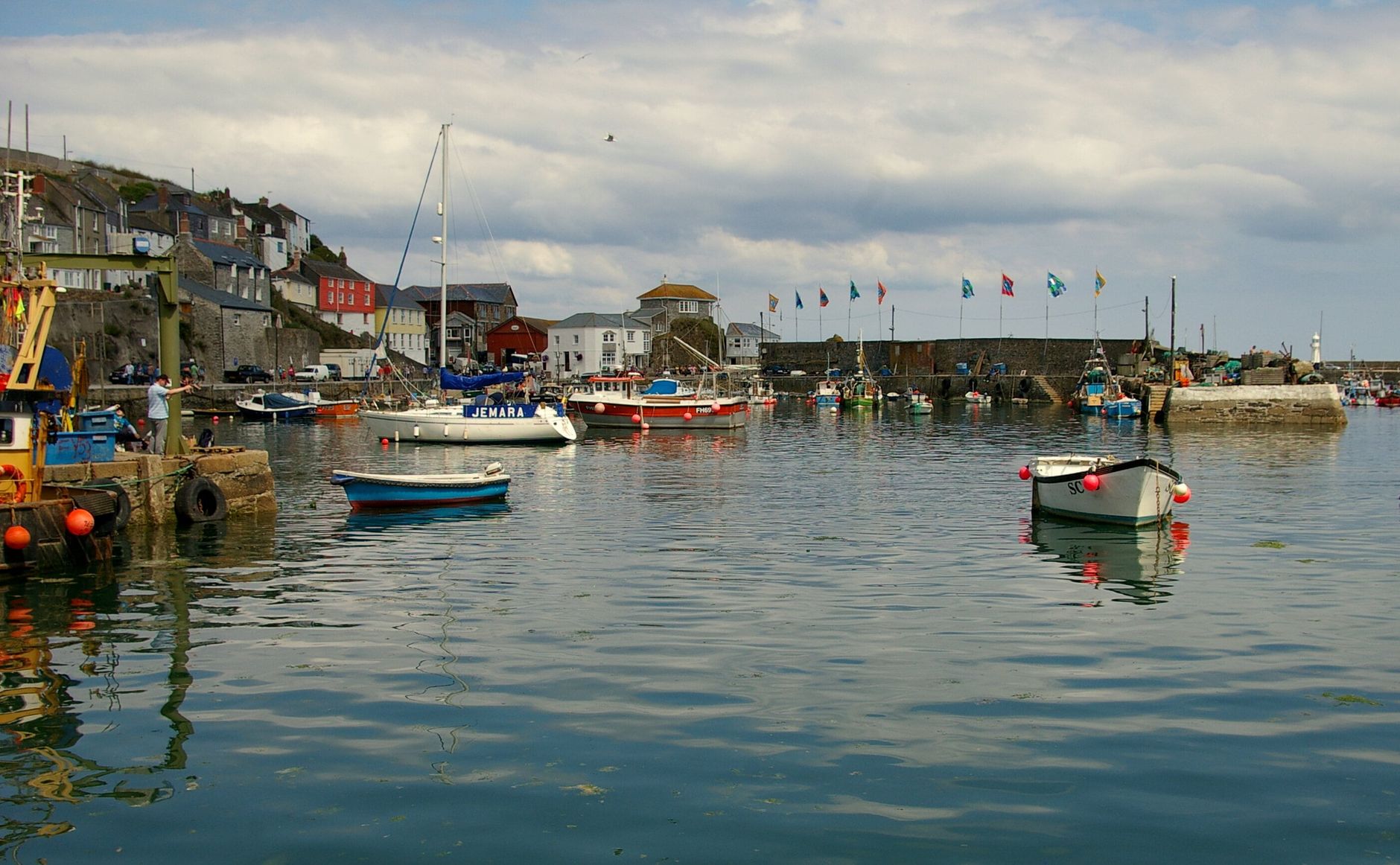
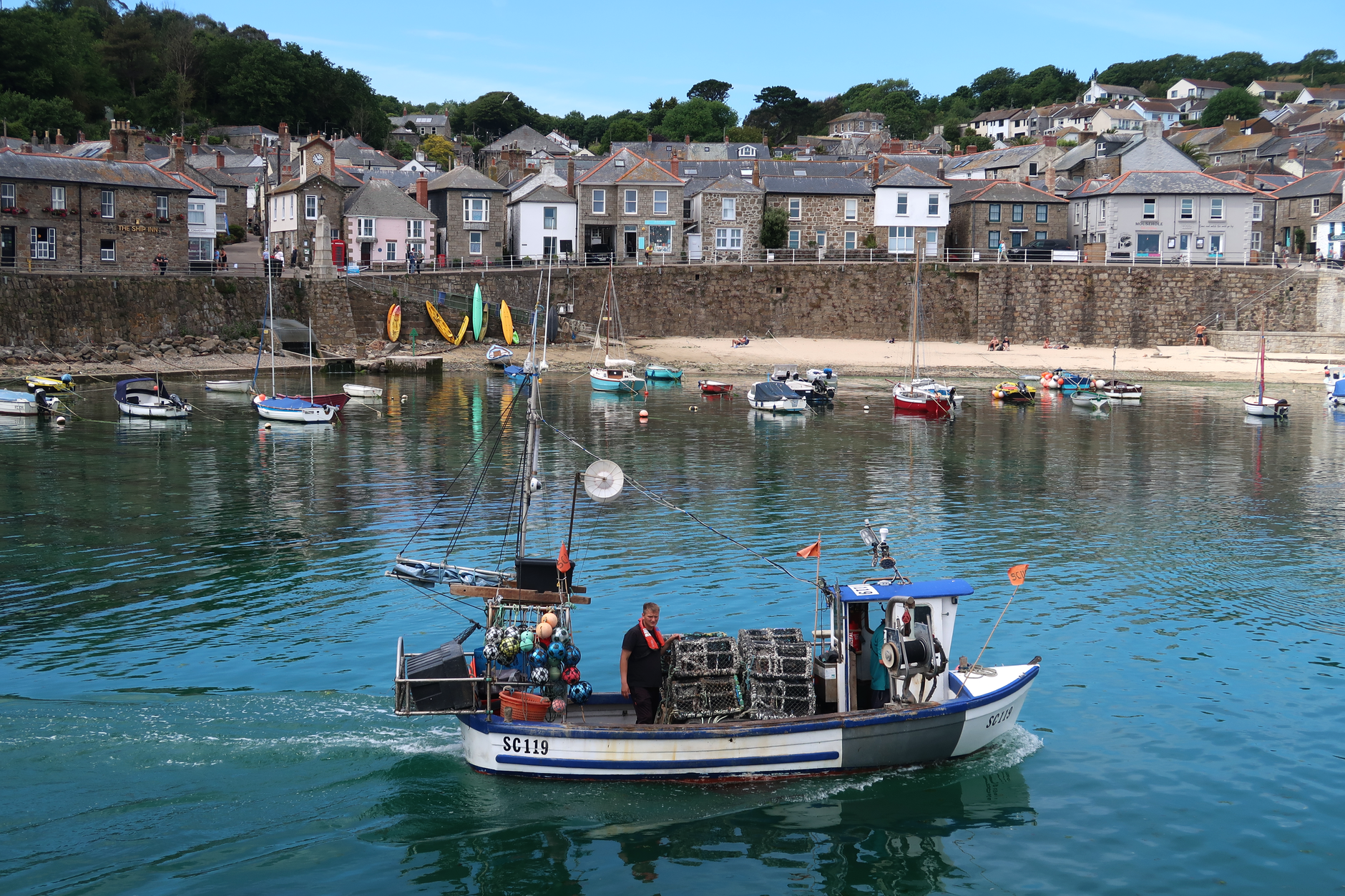
Cornwall has several distinct harbour towns with active charter and boat trip operators, and each has its own search behaviour: “fishing charter Padstow”, “boat trips Falmouth”, “Newquay fishing trips”, and “St Ives boat trips” are all searched independently, by people who have usually already decided which town they are staying in or near. A single generic homepage trying to rank for all of them at once rarely works well for any of them.
If you operate from a single harbour, your homepage should be built around that location specifically, naming the harbour, nearby landmarks, and parking information, rather than just “Cornwall” as a broad region. If you run trips from more than one departure point, a dedicated page per location performs far better than one page trying to cover all of them. Each page should include:
- The specific harbour or marina name and clear directions
- Typical trip durations and departure times from that location
- Nearby parking, accommodation, and amenities a visitor would want to know about
- Local sea conditions or species specific to that stretch of coast
This approach mirrors what works well for Cornwall tourism businesses generally: specificity beats broad claims. A page built around Padstow harbour, with genuine local detail, will outrank a vague “boat trips across Cornwall” page almost every time, because it matches what the searcher actually typed and actually wants.
Reviews and Your Google Business Profile
For a trust-dependent, location-based business like a charter operator, an optimised Google Business Profile matters as much as the website itself, often appearing above organic results for local searches. Keep it updated with your correct harbour location, current opening pattern for the season, and photos uploaded regularly through the year rather than left static from when the profile was first set up.
Genuine customer reviews are particularly powerful for charter bookings because they directly answer the trust question a nervous first-time booker is asking. A simple habit of asking happy customers to leave a review at the end of a good trip, in person, produces far better results than any automated follow-up email most people ignore.
Fishing charters and boat trips are a business built on trust, timing, and location, and SEO for this industry has to reflect all three. If you would like an honest conversation about what would actually move the needle for your charter business, get in touch for a free initial call, or take a look at our full services to see how we work with Cornwall tourism and hospitality businesses.