Cornwall has no shortage of pubs — from harbourside inns and village locals to destination food pubs and live music venues. What separates the ones that are fully booked on a Friday night from those that rely on passing trade is often not the quality of the beer or the food — it is visibility. Visitors planning a trip to Cornwall and locals looking for somewhere to eat or drink overwhelmingly start on Google. This guide explains what Cornwall pubs and bars can do to rank well in those searches and convert more of that traffic into actual customers.
How People Search for Pubs in Cornwall
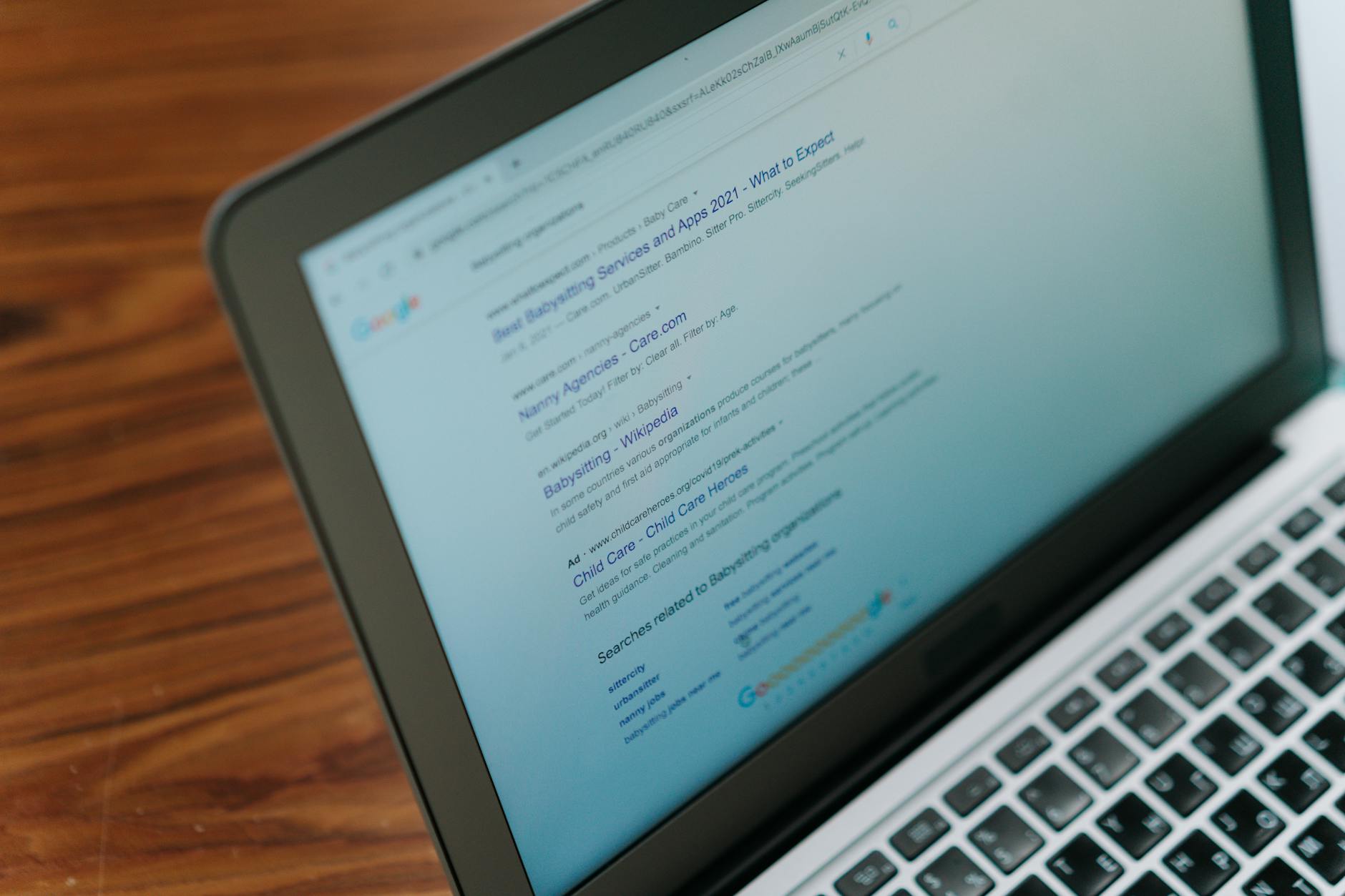
Understanding the search behaviour of your potential customers is the foundation of effective pub SEO. The most common types of search fall into a few distinct categories:
- Location-based: “pub in Padstow”, “bar near Perranporth”, “pub with sea view Cornwall” — visitors and locals searching by proximity or place
- Feature-based: “dog-friendly pub Cornwall”, “pub with beer garden Falmouth”, “live music pub Cornwall”, “quiz night Cornwall” — searchers filtering by a specific requirement
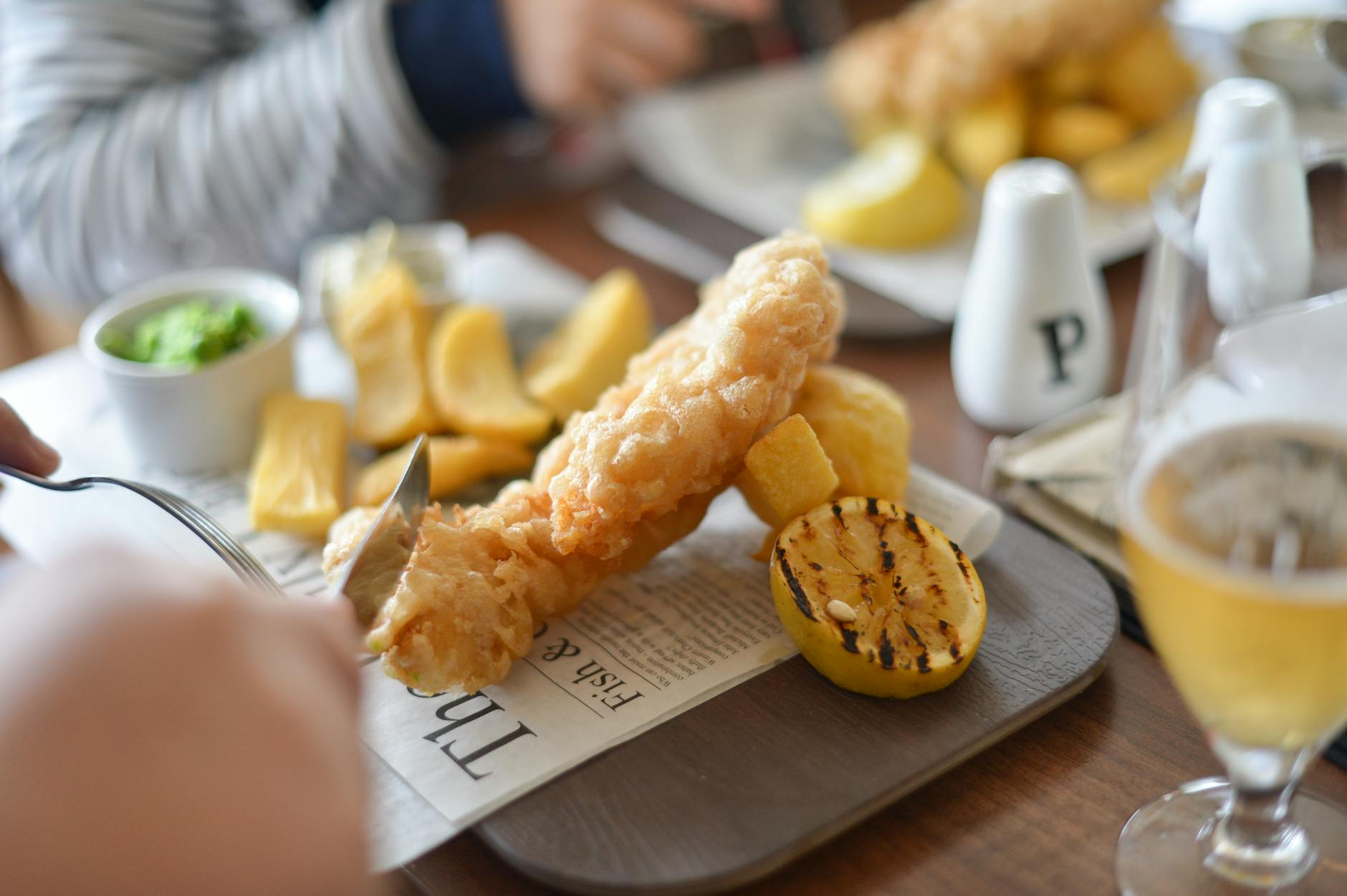
- Food-driven: “Sunday roast Cornwall”, “pub food Truro”, “best fish and chips pub Cornwall” — increasingly common as dining-out pub searches overtake pure drink searches
- Occasion-based: “pub for birthday dinner Cornwall”, “private dining pub Cornwall”, “pub for large group Newquay” — high-value searches from people with a specific event in mind
Your SEO strategy should cover all four categories if they are relevant to what you offer. A food pub should target food-driven searches explicitly. A dog-friendly pub with a beer garden should have those features named prominently on every relevant page.
Google Business Profile: The Most Important Tool for Pub SEO
For pubs, Google Business Profile (GBP) is arguably more important than the website itself. When someone searches “pub near me” or “pub Mousehole”, Google shows a local map pack with three businesses before any organic website results. Appearing in that pack — and appearing well — is driven almost entirely by your GBP, not your website.
Key GBP optimisations for pubs:
- Category: Use “Pub” or “Bar” as your primary category. If you serve food seriously, add “Restaurant” as a secondary category.
- Hours: Keep these accurate, especially seasonal variations. Showing as closed when you are open loses you real customers.
- Photos: Upload at least 20 high-quality images — exterior, interior, bar, food, beer garden, events. Pubs with strong photo libraries get significantly more views and clicks.
- Attributes: Turn on every relevant attribute — dog-friendly, outdoor seating, live music, serves food, accessible entrance. Guests filter by these.
- Posts: Use GBP posts to promote weekly specials, events, and seasonal menus. These appear directly in search results and add freshness signals.
Google Reviews: The Ranking Factor You Can Actively Build
Reviews are one of the strongest local ranking signals and one of the most powerful conversion tools. A pub with 120 Google reviews will almost always rank above one with 15, regardless of how good the website is. More importantly, potential customers read reviews before deciding — a strong review profile with thoughtful responses converts browsers into visitors. According to BrightLocal’s Local Consumer Review Survey, 98% of consumers read online reviews for local businesses before making contact — making review volume one of the most measurable local ranking and conversion signals available.
The most effective approach is to ask at the right moment — when a customer has expressed genuine enjoyment, or at the end of a good meal. A small card on the table or a message on the receipt with a QR code linking directly to your Google review page removes the friction. Responding to all reviews — positive and negative — signals to Google that your listing is actively managed, which improves ranking. For detailed tactics, see our guide on getting more Google reviews for your Cornwall business.
Your Website: What It Needs to Rank and Convert
A dedicated food menu page
If you serve food, your menu should be on your website as actual text — not as a PDF or an image. PDFs and images cannot be indexed by Google, which means all those food and dining searches will not find your page. A properly structured menu page with dish names and descriptions in HTML text can rank for specific food searches (“Cornish crab cakes Falmouth”, “Sunday roast near Newquay”) in ways that a PDF never will.
Feature pages or sections
If you have a function room, a beer garden, live music nights, or accommodation, each feature deserves its own section or page. “Private dining Cornwall” and “pub with accommodation Cornwall” are both searched regularly — a pub with both should have a page for each, optimised for those terms specifically.
Location signals
Name your village, town, and nearest coastal landmark explicitly in your content. “We are situated in the village of [name], half a mile from [beach]” is indexable content that helps Google match you to location-based searches. Your full address, including postcode, should appear in your website footer and contact page.
Seasonal SEO: Capitalising on Cornwall’s Tourism Peak
Cornwall’s pub trade is intensely seasonal — summer footfall can be four or five times winter levels for pubs in tourist areas. SEO for pubs needs to account for this by being active in the off-season. Content published in February and March about summer events, beer gardens, and holiday-season menus will be indexed and ranking by the time searches peak in June and July. Waiting until summer to start thinking about online visibility is too late.
This is the same principle that applies across Cornwall’s hospitality sector — glamping and campsite SEO, holiday let SEO, and Airbnb SEO all follow the same seasonal logic. Off-season investment pays in summer.
Content That Attracts Visitors Before They Arrive
Pubs can attract significant organic traffic from visitors who are planning a Cornwall trip and researching things to do and places to eat. Useful content types include:
- “Best pubs in [area]” style content: Writing a guide to the pubs, walks, and food spots near your location positions you as the knowledgeable local host and can rank for the area-wide searches visitors make at the planning stage
- Event and seasonal pages: “Christmas menu at [pub name]”, “New Year’s Eve at [pub name]” — these rank for event-specific searches and give Google fresh, updated content to index
- Local walks nearby: “Coastal walk from [pub name]” or “dog walks starting from our door” — these attract walkers specifically searching for a route with a pub stop, a highly motivated audience
Website Speed and Mobile Optimisation
A significant proportion of pub searches happen on mobile, often when someone is already out and looking for somewhere nearby. A slow-loading website — especially one that is not mobile-optimised — loses these customers before they have even seen your menu. See our guide to website speed for Cornwall businesses for the fixes that make the most difference, and ensure your site loads in under two seconds on mobile. Google’s own consumer research found that 76% of people who search for something nearby on their smartphone visit a related business within 24 hours.
Getting Started
The most effective starting point for most Cornwall pubs is a properly optimised Google Business Profile combined with a systematic review collection process. These two things alone can move a pub from nowhere in local search to the top three within a few months. From there, website improvements and content development compound those gains over time.
If you would like an honest assessment of where your pub or bar currently stands in local search and what it would take to improve your visibility, get in touch with Digital Evergreen for a free initial conversation. Take a look at our full services to see how we work with Cornwall hospitality businesses.