A Cornwall brewery or cidery is usually selling to two quite different audiences through the same website, and most sites are only built with one of them in mind. The first is the visitor — someone searching “brewery tour Cornwall” or “taproom near Falmouth” who wants an experience, a tasting, or a few pints on a Saturday afternoon. The second is the trade buyer — a pub, restaurant or shop owner searching for a new supplier, who wants pricing, delivery areas and minimum order quantities, not a story about how the brewery started. Building content for both, clearly separated, is the single biggest opportunity most Cornwall drinks producers are missing online.
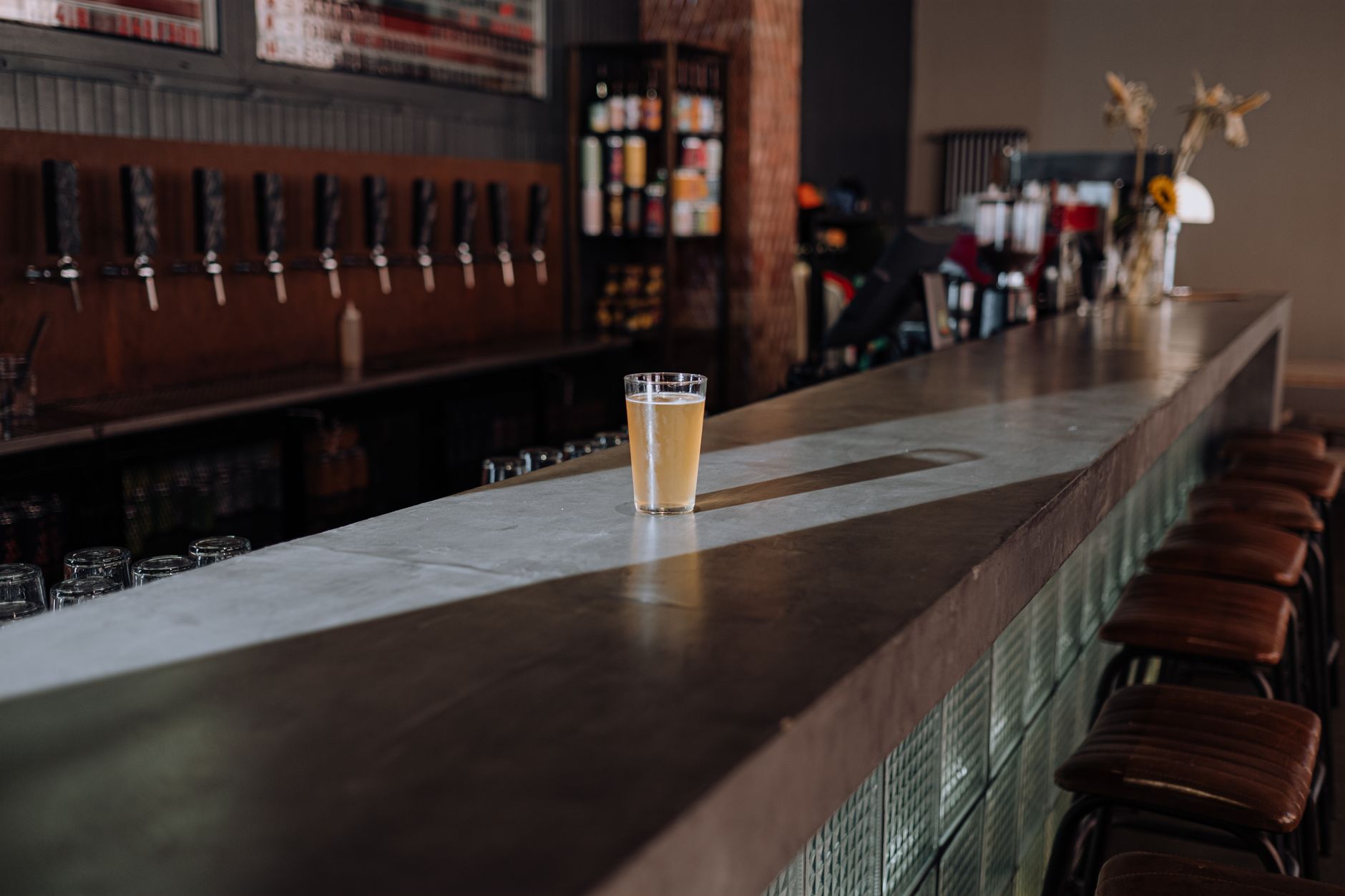
Taproom and Visitor Experience Searches
Visitor searches are about experience and timing: “brewery taproom open today”, “cider tasting near Truro”, “dog-friendly brewery Cornwall”. These searchers want practical, immediate answers — opening hours, whether food is available, whether it is family or dog-friendly, and what is actually on tap right now. A taproom page that only shows a static list of core beers, last updated two years ago, misses the chance to rank for “what’s on” style searches and frustrates visitors who turn up expecting a seasonal special that sold out months ago.
- Keep opening hours and your Google Business Profile accurate — taproom hours often differ from production hours and this is a common source of wasted visitor trips
- Update your “on tap now” or seasonal release content regularly rather than leaving a static beer list indefinitely
- State clearly whether you serve food, allow dogs, and welcome families — these are genuinely common filtering searches
- Mention nearby towns specifically — a taproom near Redruth, Camborne or St Austell should say so rather than relying on “Cornwall” alone
A related but distinct search is “buy [your product] online” or “where can I buy [your brewery] cider”. This is a consumer retail search, not a trade one, and it deserves a short, simple shop page or at minimum a clear answer on where your products are stocked nearby. Visitors who enjoyed a pint in your taproom often search for this exact phrase weeks later when they want to buy more at home, and a missing or confusing answer sends that repeat custom to a supermarket own-brand instead.
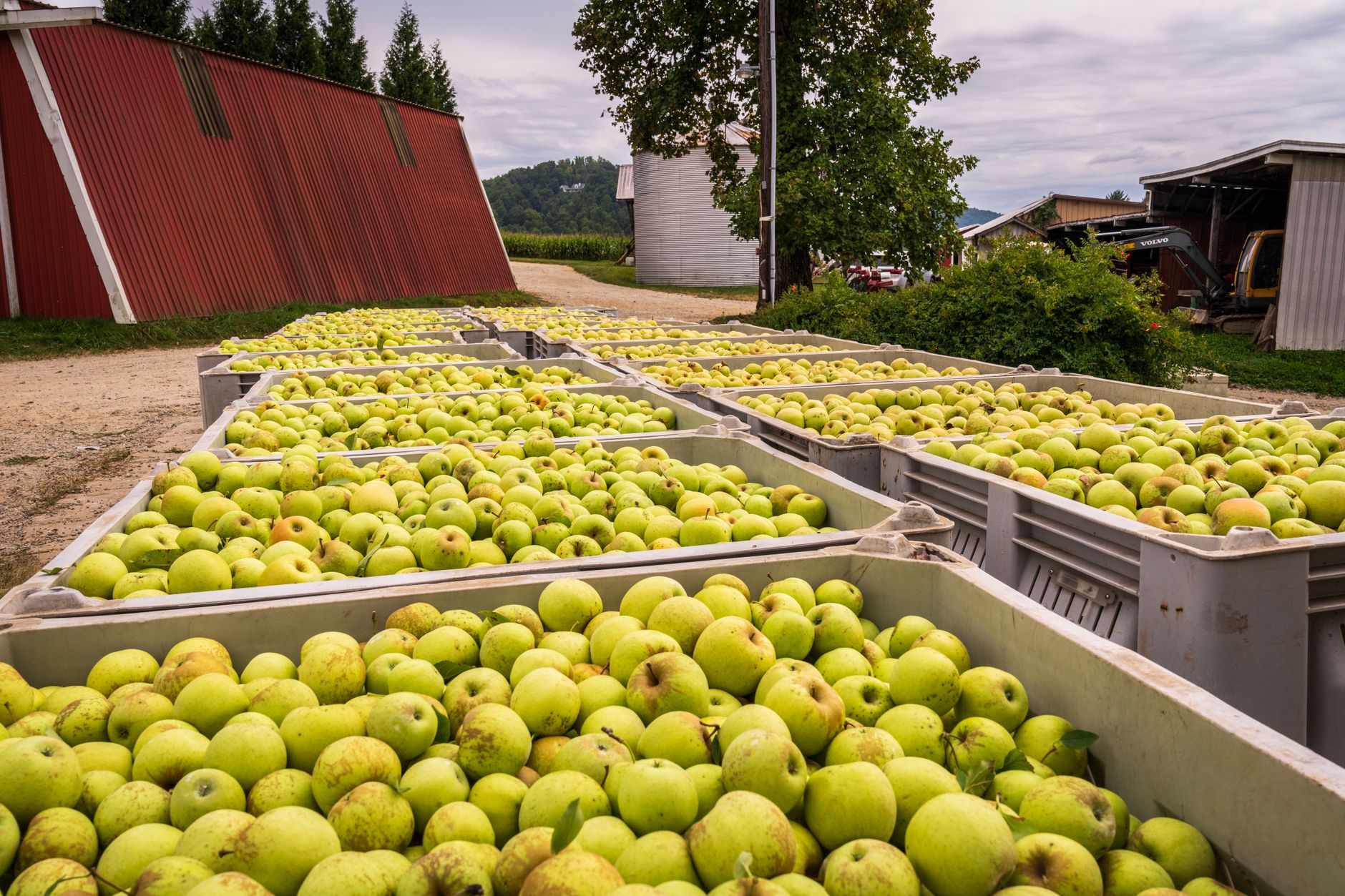
Tours and Tasting Events Deserve Their Own Page
A brewery or orchard tour is a booked experience, not a casual drop-in, and the searcher planning one behaves more like someone booking a day out than someone checking opening times. “Brewery tour Cornwall”, “cider tasting experience” and “things to do near Padstow” are the kind of searches that bring in this visitor, often planning ahead for a birthday, anniversary or group outing.
- Give tours and tasting events a dedicated page with dates, duration, price and what is included — not a single line buried on the taproom page
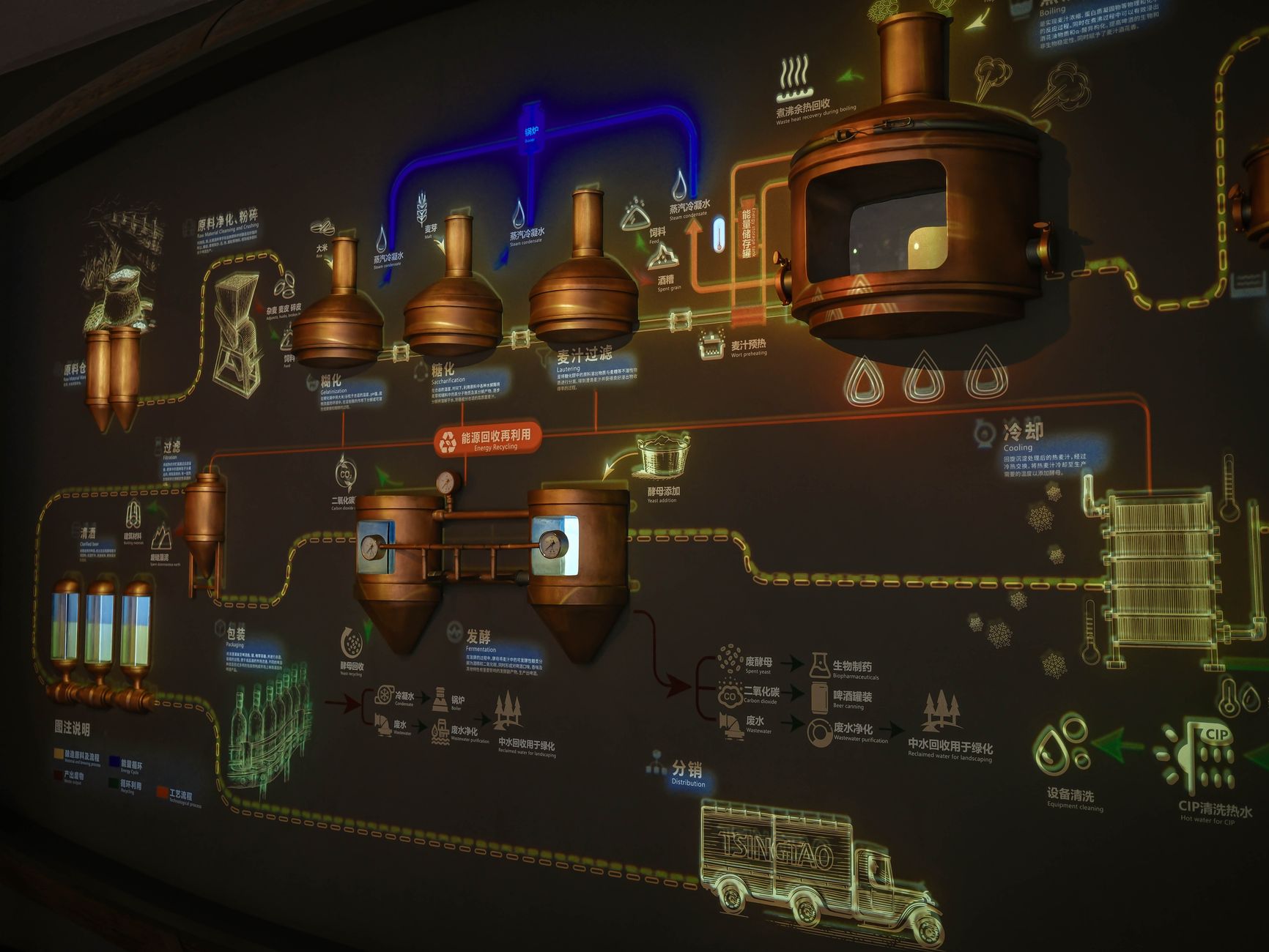
- Explain the actual process guests will see, since this is a genuine point of curiosity that sells the experience
- Photos from real tours and tastings build far more confidence than posed marketing shots
- Link this page clearly from your homepage — many brewery sites hide their best booked-experience content several clicks deep
Because this audience often overlaps with general Cornwall day-trippers, it is worth thinking about this content the way a tourism attraction would — our Cornwall tourism SEO guide covers the wider principles that apply here.
Group and corporate bookings are worth a mention of their own too. Stag and hen parties, work socials and small celebration groups regularly search for “brewery tour group booking” or “private tasting Cornwall”, and these tend to be larger, higher-value bookings than an individual tour slot. If you can accommodate groups, state your minimum and maximum numbers, whether private sessions are available outside normal tour times, and how far in advance a group needs to book — the kind of practical detail that turns a vague enquiry into a confirmed booking.
Wholesale and Trade: A Completely Separate Page
A pub landlord or shop buyer searching “cider wholesale Cornwall” or “local brewery trade supplier” wants none of the visitor-facing content above. They want to know what you produce, in what formats (cask, keg, bottle, can), minimum order quantities, delivery area, and how to get in touch about setting up an account. Burying this information inside general “about us” copy, or worse, leaving it off the website entirely and relying on word of mouth, means losing enquiries to competitors who make this information easy to find.
- Create a clearly labelled “trade” or “wholesale” page, linked from your main navigation, not hidden in a footer
- List product formats and typical pack sizes so a buyer can quickly assess fit before enquiring
- State your delivery area honestly — a trade buyer in Liskeard or Bodmin wants to know quickly whether you deliver that far before picking up the phone
- Include a simple trade enquiry form or direct contact, separate from your general customer enquiry route
It is worth keeping this trade content completely separate in navigation terms from any consumer shop or taproom booking page, even if a small team manages both. A pub buyer landing on a page full of tasting notes and event photography has to work harder to find the pricing and ordering information they actually want, and that extra friction is enough to push them towards a competitor whose site gets straight to the point.
Stockist Visibility: Farm Shops and Pubs
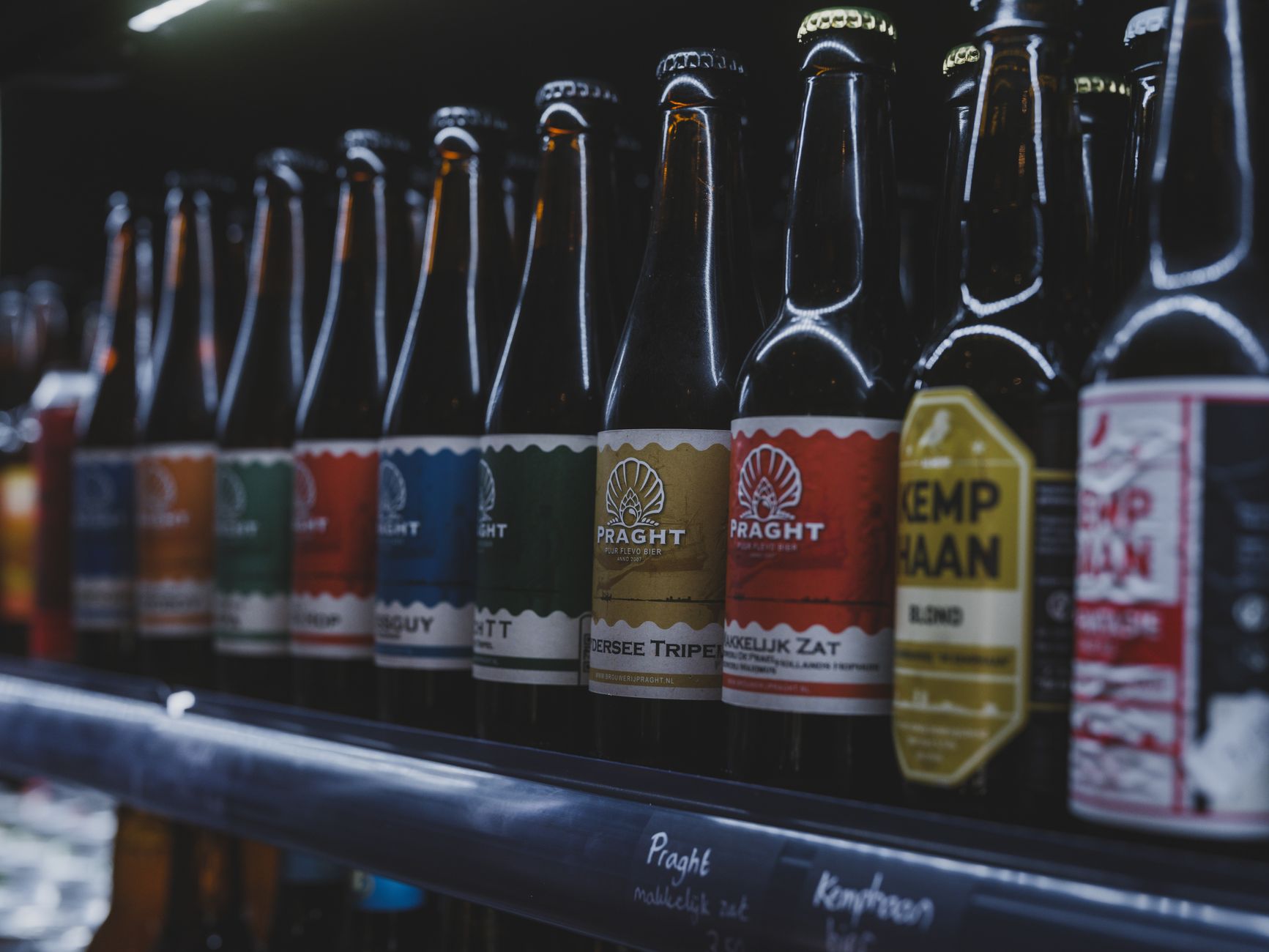
Many Cornwall drinks producers rely heavily on farm shops and pubs as their main retail route, and this relationship works both ways for SEO. Listing your stockists on your own site — “find us at” style content naming specific farm shops and pubs — helps local searchers find you, and it is worth having a genuine conversation with your stockists about mentioning you on their sites too. Our guides to SEO for farm shops in Cornwall and SEO for Cornwall pubs and bars are useful reading if you want to understand how your stockists think about their own online visibility, since a mutual mention between a producer and a stockist benefits both sites.
- Keep a current, named list of stockists rather than a vague “available in local shops” statement
- Offer to supply stockists with a short description and a couple of good photos they can use on their own site, which saves them effort and increases the chance they will actually add the mention
- Ask long-standing stockists for a reciprocal link or mention when a relationship has been running for a while — most are happy to oblige once asked directly

Cornwall’s Food and Drink Identity
Cornwall has a genuinely strong food and drink tourism identity, and visitors actively seek out local producers as part of a trip rather than treating a brewery visit as an afterthought. Content that connects your brewery or cidery to this wider identity — nearby places to eat, other local producers worth visiting on the same trip, a short food-and-drink trail around Truro, Falmouth or Wadebridge — helps you show up for broader “things to do” and “local food and drink” searches, not just searches naming your business directly. Reviews matter here too, since a visitor deciding between several taprooms on a day trip often chooses based on recent, specific reviews — see our guide on building Google reviews for Cornwall businesses.
Seasonal and festival tie-ins are worth building content around too. A Christmas market cider stall, a summer beer festival appearance, or a seasonal small-batch release all give you a genuine reason to publish something new and specific, rather than leaving a homepage static for months at a time. Search engines respond well to this kind of regular, substantive freshness, and it gives returning visitors an actual reason to check back rather than assuming the site never changes.

Realistic Costs and Getting Started
For a single-site brewery or cidery with a taproom and a trade side to the business, a focused SEO package typically runs £200–450 for an initial audit and website restructure, with ongoing support at £150–400/month depending on how actively you want tour, event and seasonal release content kept up to date. The split audience — visitor and trade — is usually the main structural issue worth fixing first, since it tends to cost little beyond a clear page restructure and pays back quickly in both camps.
If you run a brewery or cidery in Cornwall and want a clear view of where your website is losing either visitors or trade enquiries, get in touch for a free initial call, or see our full services for how we work with Cornwall food and drink producers.