An electrician’s website has to do two very different jobs at once. Half the people who land on it have no power and want someone there within the hour. The other half are weighing up a full rewire, a consumer unit upgrade, or an EV charger install, and will happily spend a fortnight comparing quotes before deciding. Getting found for both kinds of search — and converting each one differently once someone arrives — is the core challenge of SEO for electricians in Cornwall.

Two Searches, Two Mindsets
“Electrician near me” and “emergency electrician Camborne” are searches made by someone who wants a phone number, not a brochure. They are often dealing with no power, a tripped circuit they cannot reset, or sparking somewhere they are understandably worried about. The decision is made in minutes, and it is made almost entirely from the local map pack and whichever listing looks most immediately reachable.
“EV charger installation Cornwall” or “cost of rewiring a 3 bed house” are searches made by someone doing research, often weeks before they intend to book anything. They want detail, reassurance about qualifications, and some sense of price before they will even consider getting in touch. Treating both groups with a single generic homepage means doing a mediocre job of serving either one. This split is sharper for electricians than for most other trades, including the broader patterns covered in our general guide to SEO for Cornwall tradespeople.
The practical fix is a homepage that serves both groups within the first few seconds of landing on it — a clearly visible emergency phone number for the urgent searcher, alongside a simple menu pointing toward rewiring, consumer units, and EV chargers for the researcher. Trying to funnel both types of visitor through the same generic “get a quote” form tends to lose the urgent caller, who will simply try the next listing, and frustrate the researcher, who wanted more detail before committing to any contact at all.
Trust and Certification Signals
Electrical work carries real safety stakes, and customers know it. Mentioning recognised industry certifications and registrations such as NICEIC or Part P compliance, where genuinely held, does real work in building confidence — but only if it is visible and easy to find, rather than tucked away on an “About” page nobody reads. Beyond certification, the trust signals that matter most are:
- Reviews that are recent, specific, and numerous — see our full guide on getting more Google reviews for Cornwall businesses
- Clear photos of completed work, vans, and the person who will actually turn up
- Straightforward information about insurance and guarantees on work carried out
- A Google Business Profile that is complete, current, and categorised correctly as an electrician rather than a general contractor
A properly optimised Google Business Profile is particularly important for electricians because so many searches — both emergency and research-stage — surface the map pack before any organic result, especially on mobile.
It is also worth being specific rather than vague about qualifications on your website. “Fully qualified and insured” is the kind of phrase every electrician’s website uses, so it carries almost no weight on its own. Naming the actual registration body, the specific certifications held, and roughly how many years you have been trading gives a prospective customer something concrete to check and remember, rather than a generic reassurance they have read on ten other sites already.
EV Chargers: A Growing Niche Most Sites Ignore
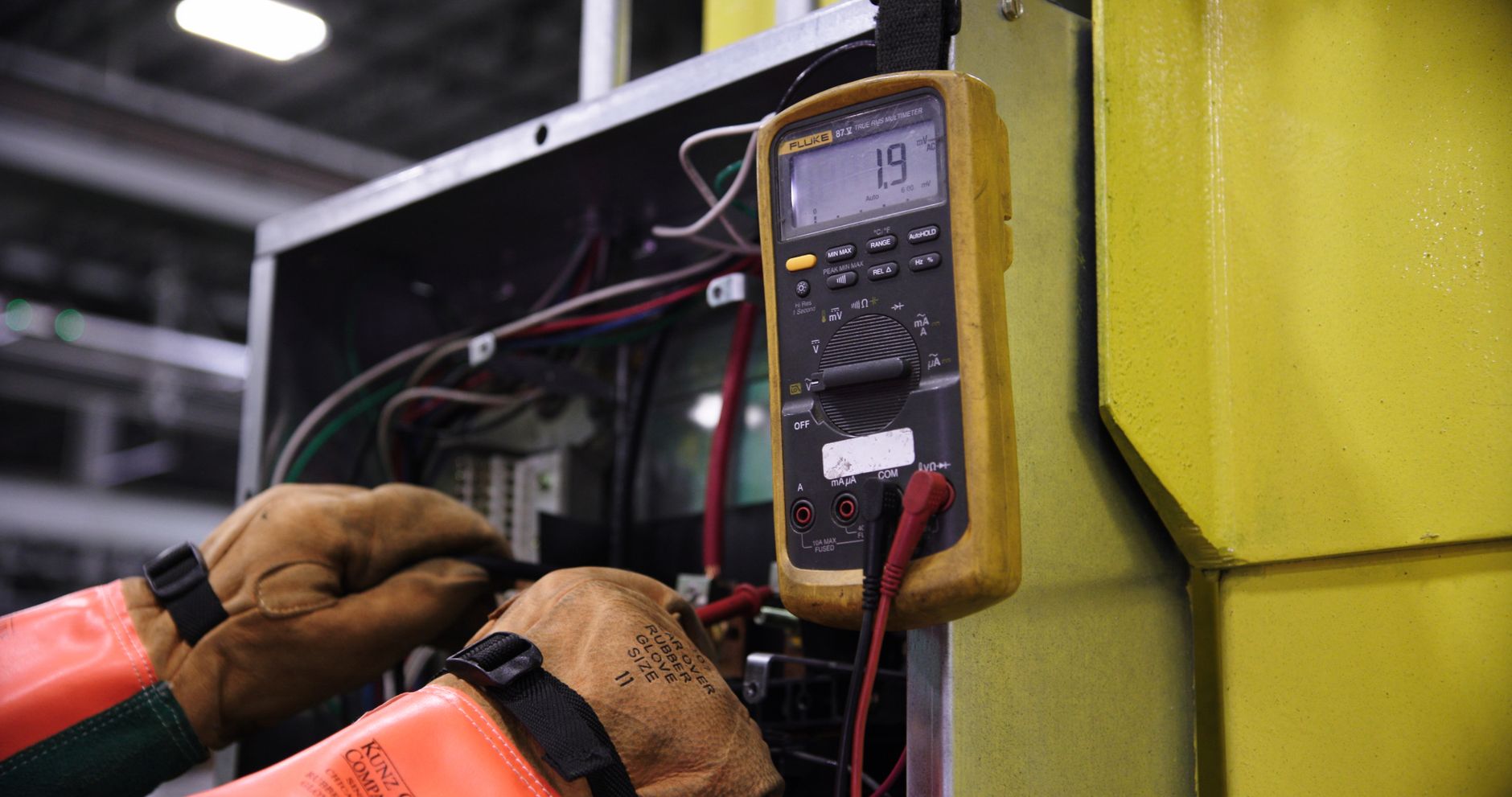
EV charger installation is one of the fastest-growing search categories for electricians, and it is still underserved on most Cornwall electrician websites. Many simply list “EV charging points” as a single bullet point among a dozen other services, which gives Google almost nothing to work with and gives a prospective customer no reason to trust that you actually specialise in it.
A dedicated EV charger page should cover the kind of detail people actually search for: typical installation timescales, what a consumer unit needs to support a charger, whether you install specific charger brands, and rough cost ranges, which for a straightforward domestic install in Cornwall typically fall somewhere between £800 and £1,500 depending on the property and distance from the consumer unit. This is also a search category where competition between local electricians is currently lower than for more established services, making it a relatively easy area to build genuine topical authority.
It is worth noting that EV charger searches often come with government grant or incentive questions attached, and these details change from year to year. Rather than quoting specific figures that may be out of date by the time someone reads them, a page that explains the general process clearly and points toward checking current eligibility directly tends to read as more trustworthy than one making firm claims about funding that could easily be wrong by the time of installation.

Rewiring and Consumer Unit Upgrades
Full or partial rewires and consumer unit upgrades sit in the middle ground — not an emergency, but not a casual purchase either. These searches deserve their own well-built pages that answer the questions a cautious homeowner actually has:
- How long does a rewire typically take for a property of this size
- What is the rough cost range, even if only a starting estimate
- Will the property have power throughout the work, or will there be disruption
- Is a consumer unit upgrade required as part of the job, and why
- What certification is issued once the work is complete
Older housing stock across towns like Penzance, Redruth, and Bodmin regularly needs this kind of work, and a page that genuinely answers these questions will outperform a generic “Rewiring Services” heading with two lines of text underneath it.
Landlords searching for consumer unit upgrades and periodic inspection reports are another distinct group worth addressing directly, since rental property compliance searches have their own vocabulary and urgency separate from an owner-occupier planning a renovation. A short section explaining inspection requirements for rental properties, written in plain terms rather than regulatory jargon, can capture a steady stream of landlord enquiries that a generic rewiring page misses entirely.

Competing With National Directory Sites
For many generic electrician searches, the top organic results are not local businesses at all — they are large national directory and comparison sites with far bigger budgets and far more backlinks. Competing head-on with these sites for a broad term like “electrician Cornwall” is usually not realistic for an independent business. The better strategy is specificity: ranking strongly for your actual towns and your actual services, where a national directory’s generic page cannot match a well-written local one.
A directory listing can show that a service exists somewhere in the area. It cannot show real photos of a rewire completed in Falmouth last month, a specific response time for Truro call-outs, or forty genuine reviews from local customers. Those are the advantages an independent electrician’s own website should be built to showcase, and they are what directory sites structurally cannot compete with.
It is also worth checking occasionally what a directory listing actually says about your business, since these are often created automatically from old data and can show an outdated phone number, the wrong service area, or no reviews at all. Claiming and correcting your listings on the major directories, even if you do not actively manage them day to day, prevents a prospective customer from finding inaccurate information about you on a site that happens to outrank your own.

Getting the Basics Right
Beyond the service-specific pages, a few technical foundations matter particularly for electricians, since a meaningful share of searches happen during an actual power problem:
- Fast mobile loading, since someone with no power is often checking their phone on battery and patience is short
- A clearly visible, clickable phone number on every page, not just the contact page
- Individual town pages if you cover a wide area rather than one page trying to rank everywhere at once
- Fresh content and Google Business Profile posts, which help counter the scale advantage of national directories
Most Cornwall electricians see meaningful local pack movement within a few months of focused work, with organic rankings for more competitive terms taking longer — our guide on how long SEO takes in Cornwall sets out realistic expectations in full.
If you would like a straightforward, no-obligation look at where your electrical business currently stands online, get in touch for a free initial call, or browse our full services to see how we support trades businesses across Cornwall.