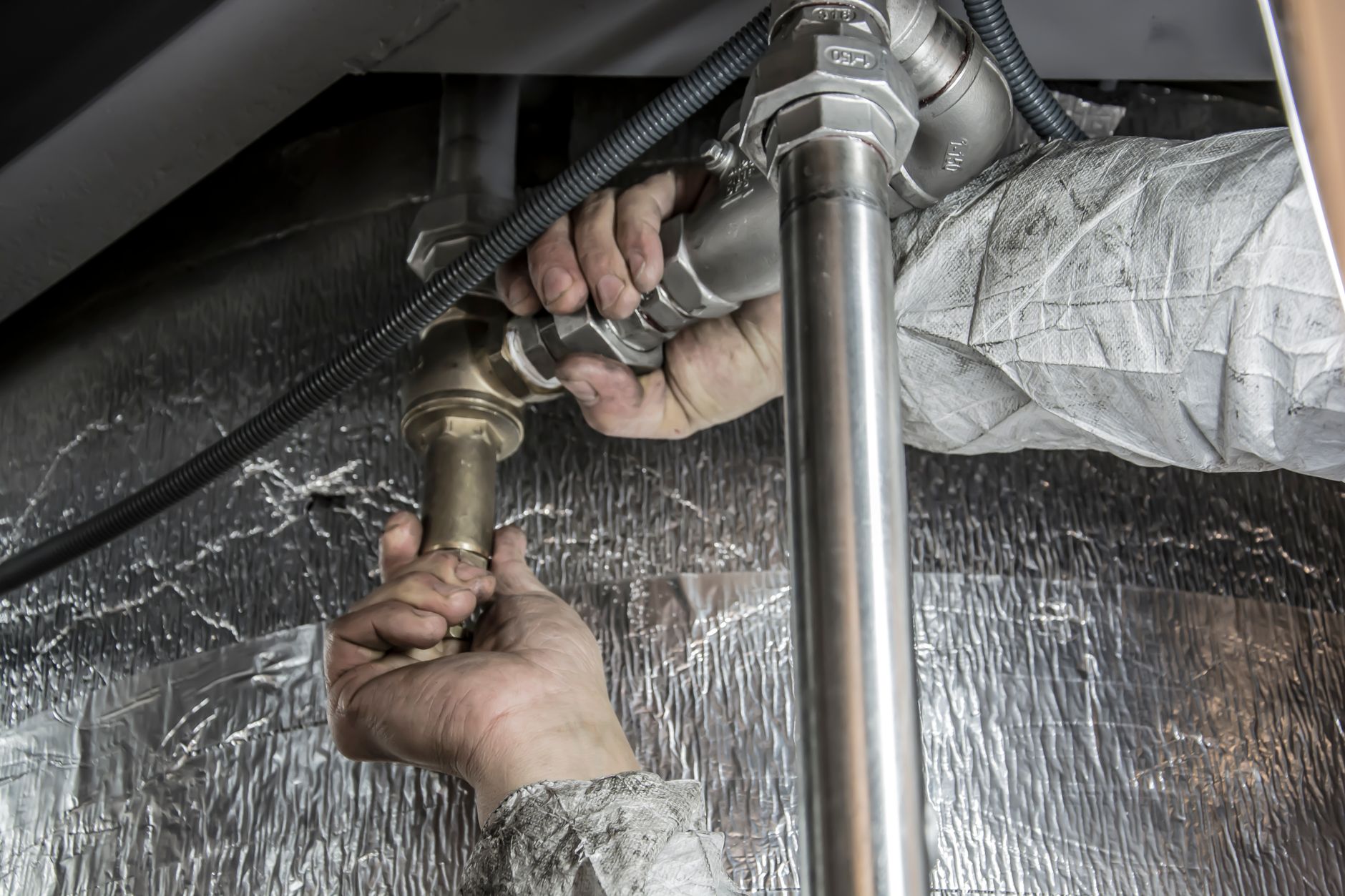
Someone in St Austell has just discovered water pooling under their kitchen sink. Someone in Truro has no hot water on a Tuesday morning before work. Someone in Falmouth has a radiator that will not stop dripping. In every case, the next thing they do is pick up their phone and search. For plumbers, this single moment — the emergency search — decides more bookings than almost anything else in the business, and it behaves very differently to how people search for most other trades or services.
Why “Plumber Near Me” Searches Are Different
Most local searches involve some research — comparing a few options, reading reviews, checking a website before deciding. Emergency plumbing searches skip most of that. Someone with a burst pipe or a leaking boiler is not planning to browse five websites and compare quotes over the next three days. They search, they look at the first few results, and they call. Often within two or three minutes of starting the search.
This changes what matters for plumbing SEO. Being ranked eighth organically is close to worthless for a “burst pipe Newquay” search, because nobody scrolls that far when water is coming through the ceiling. What matters is:
- Appearing in the local map pack (the three businesses shown with the map at the top of results)
- Having a phone number that is clickable and obvious on mobile
- Looking available — recent reviews, clear opening hours, and ideally some signal that you do emergency or out-of-hours work
- Loading fast enough that someone on patchy mobile signal in a rural part of Cornwall does not give up and call the next name on the list
This is a narrower, more urgent version of the search behaviour covered in our broader guide to SEO for tradespeople in Cornwall — plumbing has its own emergency layer on top of the general trade search patterns.

Winning the Local Pack
For plumbers, the local map pack is usually worth more than organic rankings further down the page. A properly built Google Business Profile is the single highest-leverage thing a Cornwall plumber can do, and it is free to set up correctly. The basics that most plumbing businesses still get wrong:
- Primary category set to “Plumber” rather than something vaguer like “Contractor”
- Service areas listed accurately — if you cover Truro, Falmouth, and Penryn but not Helston, say so, rather than leaving Google to guess
- Opening hours that reflect reality, including whether you offer genuine 24-hour emergency cover
- Photos of actual completed jobs, your van, and your team — not stock imagery
- Posts and updates kept current, which signals an active business rather than a dormant listing
Profiles that are neglected or incomplete rarely show in the map pack for competitive searches, no matter how good the underlying plumbing business is. This is one area where a modest amount of consistent effort produces a disproportionate result.
Consistency of your business name, address, and phone number across other directories — Checkatrade, Rated People, Yell, local Cornwall business directories, and your own website footer — also feeds into how confidently Google ranks your map listing. A plumber whose phone number differs between their website and their Google profile sends a small but real signal of unreliability that can hold back an otherwise strong listing.
Reviews: The Trust Signal That Matters Most
Plumbing is one of the few trades where the customer has to let a stranger into their home, often while they are anxious about damage or cost, and frequently before they have had time to get a second opinion. Reviews do more work here than in almost any other local business category. A plumber with 60 recent reviews averaging 4.8 stars has a meaningful advantage over a competitor with 8 reviews, even if the second plumber is equally skilled.
Our detailed guide on getting more Google reviews for Cornwall businesses covers the mechanics in full, but for plumbers specifically, the highest-converting approach is simple: ask at the point the job is finished and the customer is relieved and grateful, not days later by email when the moment has passed. A short text message with a direct review link, sent from the van before you drive away, outperforms almost any other method.
Responding to every review — good and bad — also matters. A calm, professional reply to a negative review often does more to build trust with prospective customers than the review itself does to damage it.

Service Pages That Match How People Search
Many plumbing websites have a single “Services” page listing everything from tap washers to full bathroom fit-outs in one paragraph. This makes it very difficult for Google to understand which page to show for which search, and it gives you no page worth ranking for high-value specific searches. Separate, properly written pages for distinct services solve this:
- Emergency call-outs: a page specifically targeting “emergency plumber [town]” with clear information on response times and out-of-hours availability
- Boiler repair and servicing: one of the highest-volume plumbing searches year-round, deserving its own dedicated page
- Bathroom installation: a completely different buyer, researching over weeks rather than minutes, who wants to see photos of previous work and get a sense of style and quality
- Leak detection and burst pipe repair: urgent but slightly less panicked than a live flood — still worth its own page with clear, reassuring content
- Blocked drains: consistently high search volume, often treated as an afterthought despite being a frequent reason people search in the first place
Each page should include the towns you cover, honest information about pricing where possible, and a clear call-to-action. A bathroom installation page converts on photos and trust; an emergency call-out page converts on speed and a visible phone number.
Pricing transparency deserves particular attention. Plumbing enquiries frequently stall because a prospective customer cannot find even a rough indication of cost and does not want to ring round five businesses just to find a ballpark figure. You do not need an exact price list — few plumbing jobs are identical — but a rough range for common jobs, such as a typical call-out fee or an indicative cost for replacing a boiler, removes a significant barrier to getting in touch and tends to filter out time-wasters before they ever call.

Cornwall’s Winter Burst-Pipe Spike
Cornwall rarely sees the sustained hard frosts of the rest of the UK, but when a cold snap does arrive — typically a short window in December, January, or February — older pipework in exposed or poorly insulated properties fails in large numbers, and search volume for “burst pipe” and “no hot water” terms spikes sharply within days. Plumbers who are prepared for this window, with their Google Business Profile up to date, their emergency page fast-loading, and their phone answered, pick up a disproportionate share of that short-lived demand.
The mistake we see most often is plumbing businesses treating their website as something to tidy up “when there’s time” rather than infrastructure that needs to be ready before the spike hits. By the time a cold snap is forecast, it is too late to fix a broken contact form or a Google Business Profile that has not been touched in a year. Preparation in the quieter months of autumn — checking site speed, refreshing service pages, and building up reviews — pays off directly when demand surges.
Getting the Foundations Right
Beyond reviews and the local pack, a handful of technical foundations make a real difference for plumbing websites specifically:
- A click-to-call phone number fixed in view on mobile, since most emergency searches happen on a phone
- Fast loading on mobile data, not just home wifi — rural parts of Cornwall still have patchy 4G
- Clear, specific town pages if you cover a wide area, rather than one generic “Cornwall” page that struggles to rank anywhere specific
- Schema markup identifying your business as a plumbing service, which helps Google understand and display your listing correctly
SEO for plumbers typically shows results within three to four months for local pack visibility, a little longer for competitive organic rankings — our guide on how long SEO takes in Cornwall covers realistic timelines in more depth. The work is not complicated, but it is specific, and it rewards businesses that treat their online presence with the same reliability they bring to a job.
A simple content habit worth building is writing short, genuinely useful pages or posts answering the questions customers actually ask before calling — “why has my boiler lost pressure”, “why is my radiator cold at the bottom”, “what to do if a pipe bursts before the plumber arrives”. These are searched often, they are easy to answer honestly, and they slowly build the kind of topical authority that helps your more commercial service pages rank as well. It is a slower route than paid advertising, but it keeps paying off long after a single piece of content is published, unlike a Google Ads campaign that stops delivering the moment the budget runs out.
If you would like an honest assessment of where your plumbing business currently stands and what would move the needle fastest, get in touch for a free initial call, or take a look at our full services to see how we work with trades businesses across Cornwall.