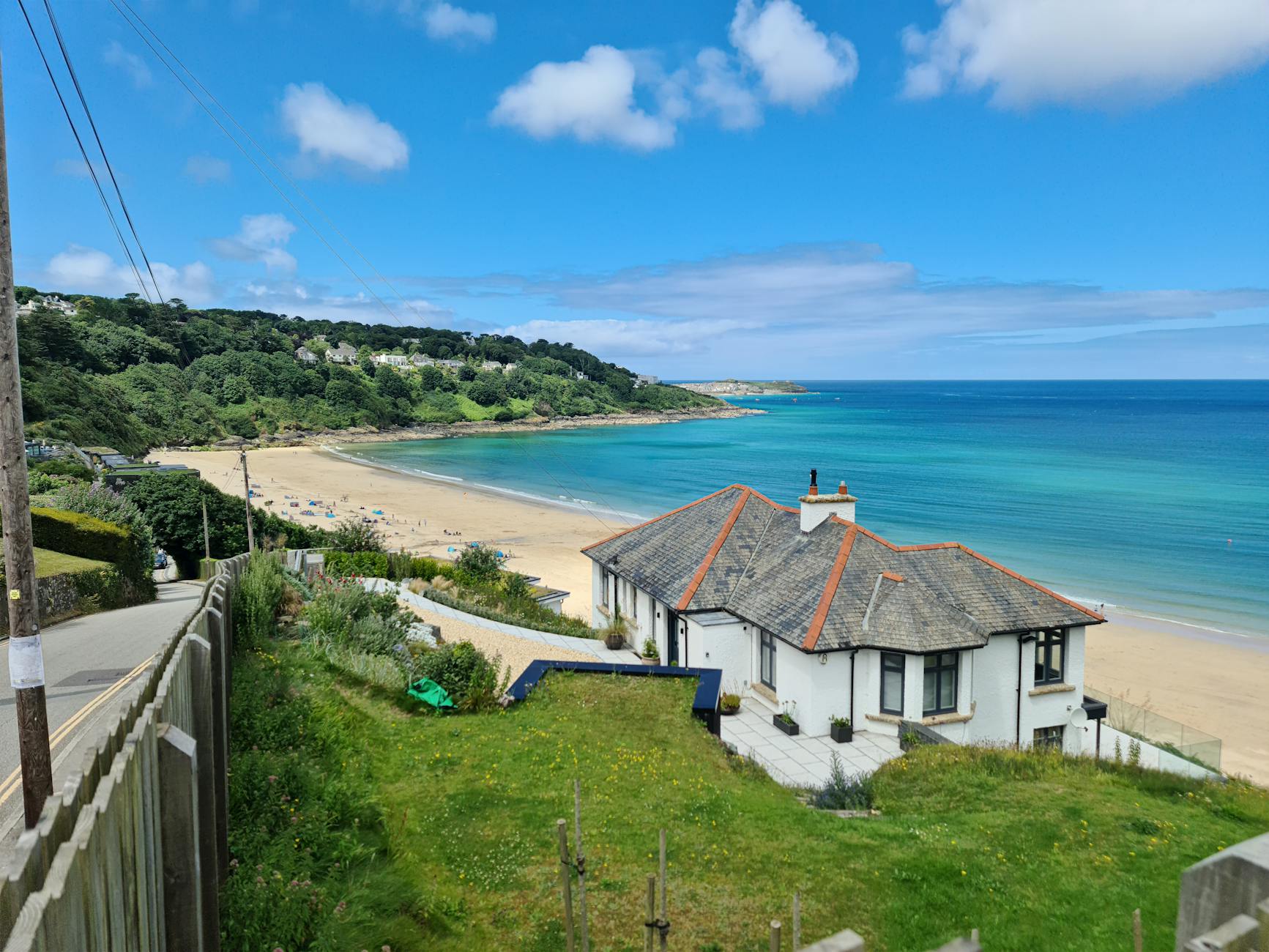
Dog walking and pet sitting searches are some of the most local on Google. Nobody searching “dog walker near me” in Truro wants a result from Bodmin, and nobody booking a pet sitter for a week away wants someone they cannot meet beforehand. That hyper-local, trust-first nature makes SEO for dog walkers and pet sitters in Cornwall quite different from most local service businesses, and quite different too from the kennels and grooming salons covered in our guide to SEO for pet groomers, kennels and catteries — this is about someone coming to the owner’s home or neighbourhood on a regular basis, not boarding an animal at a facility. Here is what actually helps.
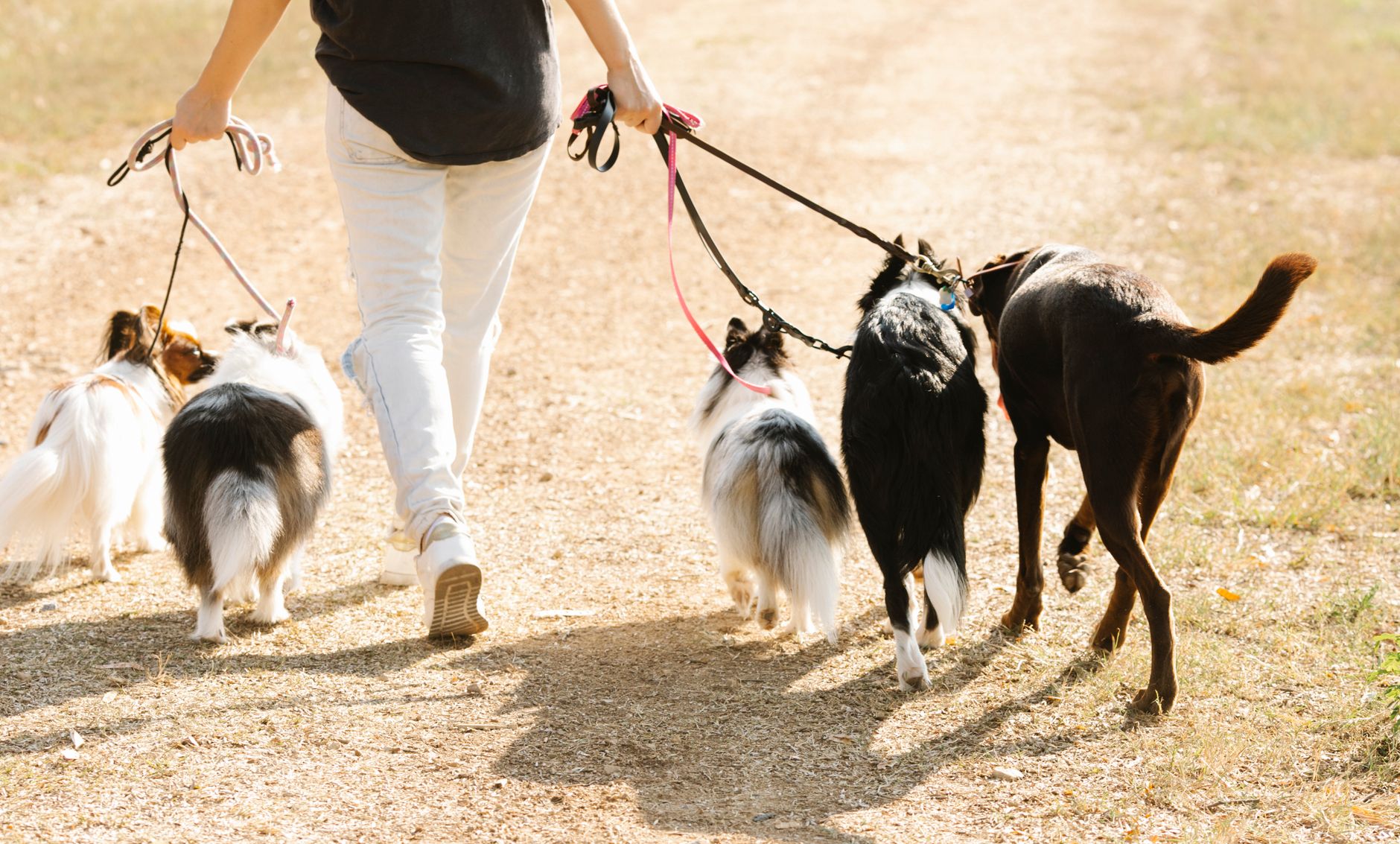
Why “Near Me” Means Something More Literal Here
For most services, “near me” means “in my town.” For dog walking, it often means “within a five-minute drive of my actual street,” because the walker needs to collect the dog and bring it back within a lunch hour slot. This makes your Google Business Profile service area setting, and the specific neighbourhoods you mention on your site, more important than almost any other ranking factor.
Rather than one generic “areas covered” line, list the actual villages and suburbs you serve — if you work around Falmouth, name Penryn, Flushing and Mabe Burnthouse specifically rather than relying on “Falmouth and surrounding areas” alone. Our guide to Google Business Profile for Cornwall businesses covers how to set your service area correctly so Google shows you to the right postcodes.
This matters practically too. A walker based in Redruth who also covers Portreath and Illogan but never mentions them by name is relying entirely on Google guessing the overlap, rather than being told directly. Naming the actual streets, parks or beaches you walk in each area — the beach at Portreath, the paths around Carn Brea — reinforces that overlap for Google while also reading as credible and specific to a human visitor.
Trust Is the Entire Conversion Decision
A dog walker or pet sitter is being handed a house key and left alone with someone’s pet and often their home. Nothing else about the service matters if that trust is not established clearly and quickly. The businesses that convert enquiries into bookings almost always make the following obvious on their homepage, not buried on an “about” page three clicks deep:
- Public liability insurance, stated plainly with the level of cover
- A DBS (background) check, with the fact mentioned near the top of the page rather than assumed
- Pet first aid training or certification, if held
- A real photo of the person doing the walking or sitting — not a logo, not a paw print icon, an actual face
- A clear explanation of what happens on a first meeting or “meet and greet” before any booking is confirmed
Reviews carry enormous weight for the same reason. A new client cannot verify trustworthiness themselves before the first visit, so they lean heavily on what other owners have said. Building a steady stream of recent, genuine reviews — covered in our guide on getting more Google reviews as a Cornwall business — is one of the highest-return things a dog walker can do, often outperforming any amount of blog content.
The best time to ask is after the first meet and greet or the first couple of walks, once a client has had enough contact to feel confident but before the relationship becomes routine and the ask feels like an afterthought. A short, friendly text message with a direct link to leave a review converts far better than hoping a satisfied client thinks to do it unprompted months into a regular arrangement.

This Is a Recurring-Client Business, and Your Site Should Say So
Most dog walking enquiries are not for a one-off visit — they are the start of a weekly or daily arrangement built around someone’s work pattern. That changes what your site needs to communicate compared to a one-off service search:
- Clear weekly/monthly pricing alongside any one-off rate, since most enquirers are mentally planning an ongoing cost
- How far in advance you book up, since a reliable walker with a full round is a strong trust signal in itself
- What happens around holidays, bad weather, or if the usual walker is unwell — continuity matters to someone relying on you daily
- Whether you offer a flexible or fixed schedule, since this is often the deciding factor between two otherwise similar walkers
Pet sitting has a slightly different pattern — more tied to holiday travel than daily routine — so if you offer both, keep them as separate pages rather than one blended “dog care” page. It helps each rank for its own specific searches and lets you speak directly to each kind of client’s actual concern.
A pet sitting page should address the practical worries specific to leaving a pet at home while away — how often visits happen, what is covered in a standard visit (feeding, litter, a check of the garden, watering plants), and how quickly the sitter would respond to anything unusual, like a pet refusing to eat or appearing unwell. These are the exact questions an owner is running through in their head while booking a holiday, and answering them before they are asked removes a genuine source of anxiety that would otherwise slow down or stop the booking.

Standing Out Against Apps and National Platforms
Dog walkers and pet sitters increasingly compete not just with each other but with national booking apps that aggregate local sitters under one brand. These platforms often rank well simply through size and ad spend. The way an independent walker competes is not by trying to out-advertise them, but by being clearly, obviously local and personal in a way an app listing cannot replicate — a named person, a real local phone number, specific streets and parks mentioned by name, and reviews that read like genuine relationships rather than transactional ratings.
Mentioning the actual places you walk — Tehidy Woods near Camborne, the coast path above Bude, the dunes at Perranporth — does double duty. It reads as credible and specific to a human reader, and it gives Google genuine local content to match against local searches, rather than generic phrases that could describe a dog walker anywhere in the country.
Consistency of care is another point worth stating plainly, since it is often the exact thing a franchise or app cannot promise. If the same walker sees the same dog every time, say so — it is a genuine difference in the quality of care a dog receives, and owners who have previously used an app with a rotating cast of different walkers notice and value the difference immediately once it is pointed out.
Getting Found Beyond Google Search
A fair amount of dog walking and pet sitting business in Cornwall still comes through word of mouth, local Facebook groups and community noticeboards, and this is worth treating as part of the same strategy rather than a separate activity. A website that is easy to find, loads quickly on a phone, and makes booking straightforward gives all of that word-of-mouth traffic somewhere useful to land. See our guide on website speed for Cornwall businesses if your site takes more than a couple of seconds to load — a slow site loses mobile visitors before they even see your reviews.
Local directory listings and mentions from Cornwall-based community sites and vet practice referral pages also help, both for direct referral traffic and as a wider trust signal to Google. Our guide to local link building for Cornwall businesses covers how to build these relationships without resorting to the low-quality directory spam that can actually hurt a small site’s standing.
Keeping Momentum Once You Are Established
Once your profile, pricing pages and reviews are in good shape, the ongoing work for a dog walker or pet sitter is mostly maintenance — fresh photos through the seasons, new reviews as regular clients build up, and the occasional update if you expand into new villages or add a service like puppy visits or cat sitting. Full technical SEO rarely needs much attention for a business this size, but it still takes a few months to see a new page or profile change reflected in rankings, so it pays to make changes well before your busiest booking period rather than reacting once you are already fully booked.
If you walk dogs or sit pets anywhere in Cornwall and want a clear, honest view of what would actually bring in more regular clients, get in touch for a free initial call. You can also see our full services to understand how we work with small, trust-dependent local businesses.