A traditional campsite with tent and touring pitches is a different business to a glamping site with yurts and pods, or a holiday park with static caravans, and the SEO needs to reflect that difference clearly from the first line of your homepage. Many Cornwall campsite websites blur the three together, which confuses both search engines and searchers who have a specific type of stay in mind. If you run glamping accommodation alongside your pitches, our glamping SEO guide covers that side in depth, and if you run static caravans too, our holiday parks and caravan sites guide is the better starting point for that content. This guide focuses specifically on tent and touring pitch camping — the searcher who wants to bring their own tent, campervan or caravan and pitch it themselves.
Why “Camping Cornwall” Alone Is Too Broad
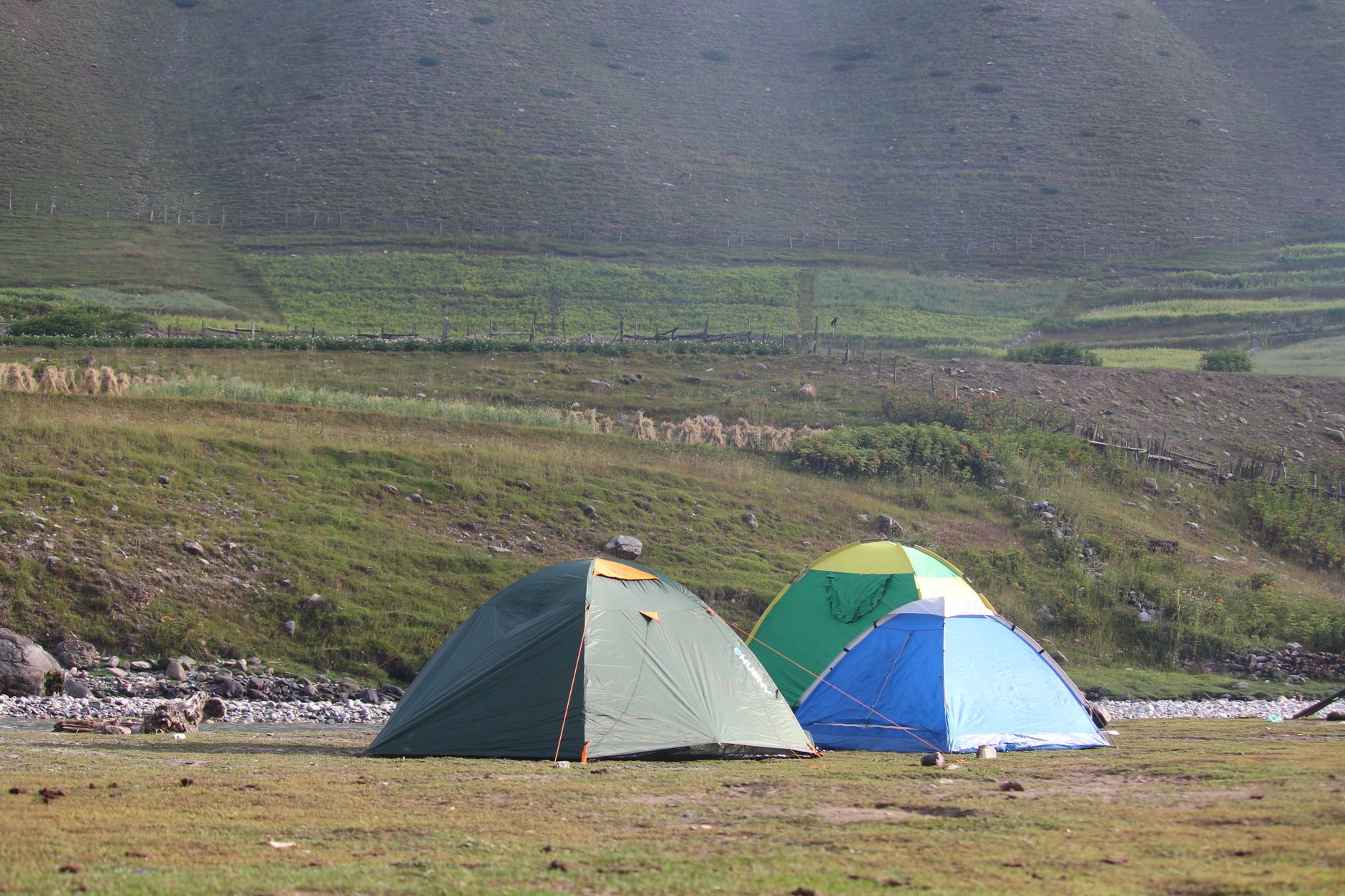
Someone searching “camping Cornwall” could mean almost anything — a tent pitch, a yurt, a static caravan, even a campervan hire. But many searches are far more specific than that generic phrase, and these are the ones worth building pages around: “tent pitches Cornwall”, “touring caravan site Cornwall”, “campsite with electric hookup near Newquay”, “dog-friendly tent camping Cornwall”. A page that clearly states what kind of camping you offer, in the first sentence, is far more likely to satisfy — and therefore rank for — these specific searches than a page that talks generally about “a camping experience.”
- State clearly on your homepage whether you offer tent pitches, touring pitches, or both — do not make a visitor hunt for this
- Separate pitch types onto their own sections or pages: standard tent pitch, premium pitch with a view, touring pitch with hookup
- Use the specific terms campers actually search — “hookup”, “hardstanding”, “non-electric pitch” — rather than vaguer marketing language
Family and dog-friendly searches are worth treating the same way. “Family campsite Cornwall” and “dog-friendly campsite Cornwall” are both searched regularly, and campers looking for either want reassurance before they commit — a play area, space to let dogs off the lead, a pitch away from the main road. If your site genuinely suits one or both of these audiences, give that a proper paragraph of its own rather than a single tick-box icon, since the detail is what actually convinces a nervous parent or dog owner to book.

Facilities: The Detail That Decides Bookings
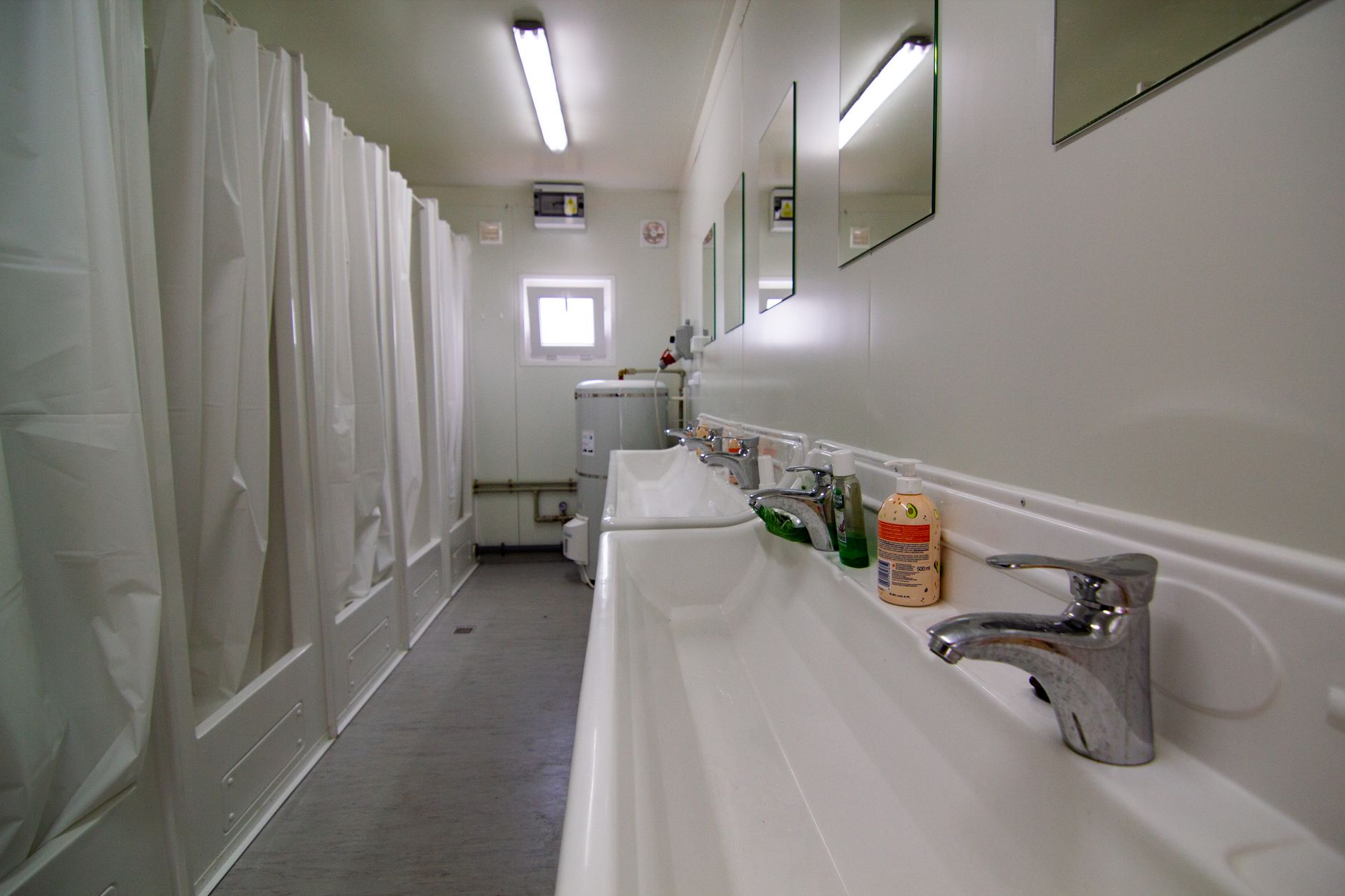
Facilities are the single biggest hesitation point for tent campers researching a site, and it is one of the easiest things for a small campsite to get right online. Searches like “campsite with showers Cornwall” or “campsite with hot water” reflect a genuine, common worry, and a page that answers it clearly and honestly builds trust fast.
- Describe your shower and toilet block honestly, including whether showers are free or token-operated
- Mention washing-up facilities, a shop or honesty box, and whether firewood or gas is sold on site
- Note dog policy, campfire policy and quiet hours clearly — these are common search terms and common reasons for a declined booking if left unclear
- Keep facilities photos current — an old photo of a tired shower block undoes a lot of good copywriting
Accessibility is another area worth covering honestly rather than leaving unmentioned. A camper with limited mobility, or a family bringing an older relative, often searches specifically for level pitches close to the facilities block or a disabled-accessible shower. If any of your pitches or facilities suit this, say so plainly — it is a small amount of extra copy that opens up bookings from a group of campers who frequently struggle to find clear information and will often choose the first site that gives them a straight answer.
Touring and Campervan Pitches Need Their Own Content
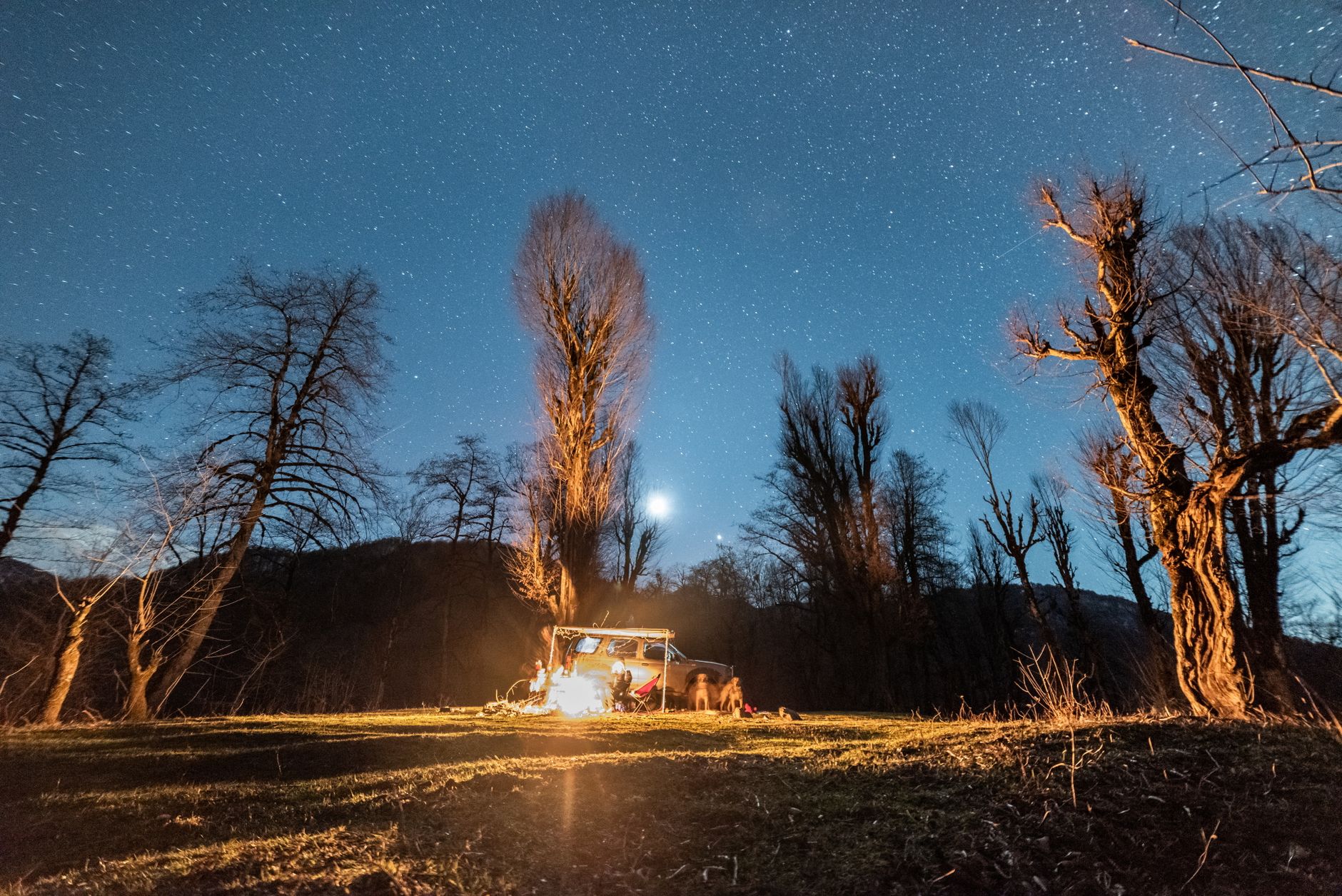
Touring caravan and campervan guests search differently to tent campers. They need to know pitch dimensions, hookup amperage, whether pitches are level or hardstanding, and whether there is a dedicated waste disposal point. A generic “camping” page rarely covers any of this, which pushes this searcher towards a dedicated caravan club site or a competitor who has bothered to answer these questions. If you cater to tourers, give that pitch type its own clearly labelled section with these specifics spelled out.
- State maximum caravan or motorhome length and whether awnings are permitted on each pitch
- Mention whether a tow car can park alongside the pitch or needs a separate space
- Confirm whether a chemical toilet disposal point (CDP) is available on site, since this is a frequent, specific search for tourers
- Give pitch dimensions in metres rather than relying on vague terms like “generous” or “spacious”
Seasonal Demand and Local Positioning
Traditional campsites are intensely seasonal, with the vast majority of bookings concentrated between late May and early September. This makes early-season visibility critical — a campsite that only starts promoting itself in June has already missed a large share of Easter and Whitsun bank holiday searches, and much of the early booking window for peak summer weeks. Building and refreshing your site content in winter and early spring, well before the season starts, gives Google time to recognise and rank your pages before demand peaks.
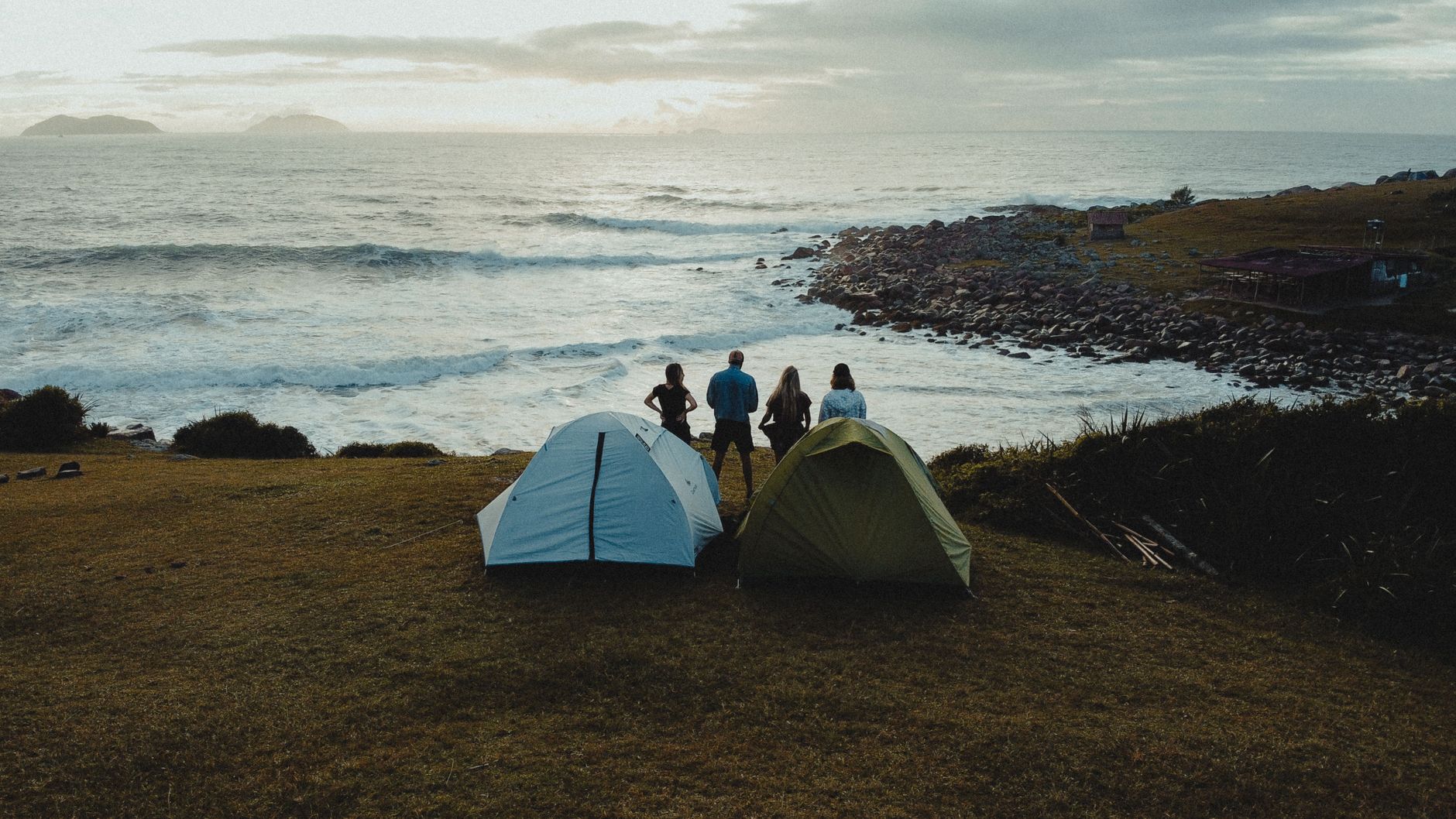
Location matters too. A campsite near Padstow, Bude, Looe or St Austell should say so clearly and repeatedly, alongside genuinely useful local detail — nearest beach, nearest pub, distance into the nearest town — rather than relying on “beautiful Cornish countryside” alone. Our Cornwall tourism SEO guide covers the wider principles of ranking for visitor searches, which apply well to campsites alongside the pitch-specific detail covered here.
Weather and cancellation policy is worth addressing directly too, since it is a genuine, searchable worry for anyone booking a tent pitch weeks ahead without knowing what the weather will do. A short, honest paragraph on how you handle a washed-out bank holiday weekend, whether pitches can be rebooked, and how refunds work builds confidence with exactly the kind of cautious booker who might otherwise choose a more flexible glamping option instead of committing to a tent.
Reviews, Bookings and Keeping It Simple
Tent and touring campers are often price-sensitive and read reviews closely before booking a pitch they have not seen in person. A strong set of recent Google reviews, with a handful mentioning facilities and location specifically, does more to reassure a hesitant camper than almost any amount of marketing copy. See our guide on building Google reviews for Cornwall businesses and keep your Google Business Profile accurate, since many pitch searches are decided from the map pack without the searcher visiting your website at all.
Keep the booking process itself simple. Many small campsites still take bookings by phone or a basic enquiry form, which is perfectly fine — but make sure the page leading to that enquiry loads quickly and clearly states availability, since a slow or confusing page loses bookings before a phone call ever happens.
If you use an online booking calendar, make sure it actually reflects real-time availability rather than a block of dates that was last updated at the start of the season. Nothing undermines trust faster than a camper filling out a long enquiry form only to be told by email two days later that the dates they wanted were never available. A calendar that is kept current, even if it means a few minutes of admin each week during peak season, saves far more time than it costs in avoided back-and-forth enquiries.

Realistic Costs for a Small Campsite
For a single-site traditional campsite, a focused SEO package typically runs £150–400 for an initial audit and website improvement, with optional ongoing seasonal support at £100–300/month, usually concentrated in the autumn-to-spring period ahead of the booking season. This is a modest budget category compared to larger holiday park businesses, and it reflects the relatively contained scope of the work for a single site with a handful of pitch types. Most of this work is front-loaded into the winter months — rewriting pitch pages, sorting out photography and getting the Google Business Profile in order — so that everything is in place well before the spring booking rush begins.
If you run a traditional tent or touring campsite in Cornwall and want a clear view of where your website is underperforming ahead of next season, get in touch for a free initial call, or see our full services for how we work with Cornwall accommodation businesses.